Email marketing strategies only work in order. Reach the inbox first. Earn permission second. Then personalize and automate. Skip that order, and even a great email never gets read. This guide compares four pillars of working email marketing strategies, shows how to measure each one, and gives you one rule for deciding what to fix first.
Key Takeaways
- Deliverability comes before everything else. Gmail blocks more than 99.9% of spam, phishing and malware. It also stops nearly 15 billion unwanted emails every day. So an unauthenticated sender is fighting that filter from the start.
- Email still returns more than most channels. Litmus reports an average return of $36 for every $1 spent on email. The company does not publish its full method, though.
- Most opens now happen on Apple devices. Litmus’s email client tracking covers more than a billion opens. It found Apple Mail at 62.26% share, ahead of Gmail at 27.03%.
- Typical performance is lower than marketers expect. Mailchimp’s own customer benchmarks put the all-industry average open rate at 35.63% and click rate at 2.62%.
- Testing beats guessing. A signup-page test on the Obama presidential campaign covered 310,382 visitors. It lifted the signup rate from 8.26% to 11.6%, a 40.6% gain, just by swapping video for a simple photo.
In this guide
- What Most Email Marketing Advice Skips
- Why Email Marketing Strategies Fail in a Predictable Order
- Four Pillars of Email Marketing Strategies, Compared
- How To Lead With Each Pillar
- How To Measure Whether Your Email Marketing Strategy Is Working
- The One Decision Rule: Fix the Earliest Broken Pillar First
- A Real Case: What a Simple Test Did at Scale
- Frequently Asked Questions About Email Marketing Strategies
- Build These Email Marketing Strategies Into a Real Skill
What Most Email Marketing Advice Skips
Most lists of email marketing strategies read the same way: write better subject lines, personalize more, automate everything. None of that is wrong. But it skips the step that decides whether any of it matters: does the email even reach an inbox?
This guide fixes that order. It compares four pillars of working email marketing strategies, in the sequence that actually produces results. It also shows what to measure at each stage. Treat every figure here as a published estimate from the named source, with its own limits. A vendor statistic such as Litmus’s ROI figure is self-reported marketing data. So read it as a useful benchmark, not a guarantee.
None of these four pillars is specific to one country or industry. Authentication standards such as SPF, DKIM and DMARC are set by the mailbox providers themselves, so they apply the same way whether your list is in one city or spread across continents. The order in this guide holds wherever your subscribers live.
Why Email Marketing Strategies Fail in a Predictable Order
Every email marketing strategy depends on four things happening in sequence. First, the message has to reach the inbox. Next, the recipient has to have agreed to hear from you. Then the content has to be relevant to that person. Only after that does automation make the whole system scale. Skipping a step does not remove it; it just fails silently, somewhere a dashboard will not clearly show you.
Most failed campaigns skip straight to the last step. A business buys a list, blasts an unsegmented campaign, and wonders why open rates sit below Mailchimp’s 35.63% average. The real problem usually sits earlier in the chain. It is often deliverability or permission, not the email copy itself.
This also explains why two businesses can send the same subject line and get different results. One might have a clean, permission-based list with a strong sending history. The other might be fighting a spam filter it does not know exists. Email marketing strategies that ignore this difference end up optimizing the wrong variable.
This is also why email marketing strategies cannot be copied wholesale from another brand. Your audience, your sending reputation and your list’s permission history are all specific to you. So apply the fixes below in your own order of weakness, not as a generic checklist. If you are still setting up your first campaigns, a primer on how to start email marketing is worth reading alongside this guide.
Four Pillars of Email Marketing Strategies, Compared
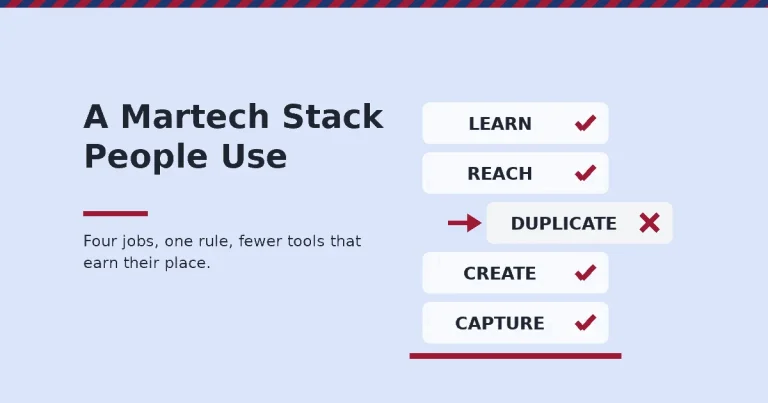
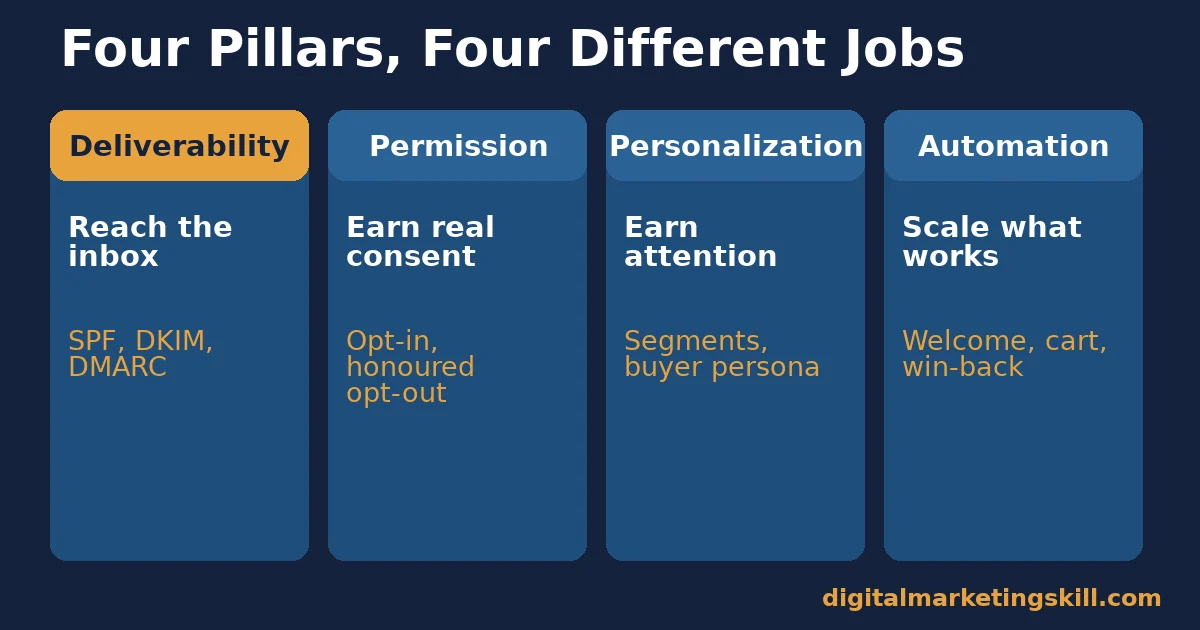
These four pillars cover what actually separates working email marketing strategies from ignored ones: getting delivered, getting permission, getting read, and getting automated. Each pillar fails in a different way. So diagnose which one is weakest before you invest in the next.
None of these four pillars needs expensive software to start. A free email provider’s built-in testing tool can check authentication records. A spreadsheet can hold a basic customer avatar. The real cost is the time spent diagnosing which pillar is actually broken, not the tools used to fix it.
Deliverability: Built For Inbox Placement, Not Just Sending
Deliverability determines whether an email is even seen. Gmail’s own sender guidelines require SPF or DKIM authentication, valid forward and reverse DNS, and a spam rate under 0.3% in Google Postmaster Tools. Bulk senders of 5,000 or more emails a day also need DMARC and a one-click unsubscribe link.
Microsoft’s Outlook rules for high-volume senders are similar: SPF and DKIM, plus an aligned DMARC record. Mail that fails these checks gets routed to Junk first, and may be rejected later. So fix this before any content work starts.
Permission: Built For Durable Trust, Not Just List Size
A large list built on bought or scraped addresses produces poor results. It also damages sender reputation. The FTC’s CAN-SPAM compliance guide requires accurate headers, non-deceptive subject lines and a valid postal address. It also requires opt-outs honoured within 10 business days, with penalties up to $53,088 per violating email.
The UK’s ICO guidance on PECR goes further for individual subscribers. It generally requires consent before you email them, with a narrower soft opt-in exception for past customers of similar products. Rules differ by country, so check the law that applies to your subscribers before you scale a list. For the mechanics of growing that list properly, see these ways to grow your email list.
Personalization: Built For Relevance, Not Mass Blasts
Once email reaches the inbox, and the list is built on real permission, personalization decides whether people keep opening. A buyer persona is a clear written profile of your ideal customer’s goals and challenges. It is the usual starting point for deciding what each segment actually wants to read.
Segmentation does not need to be complex to help. Split a list by purchase history, signup source or stated interest. Then send each group a different subject line. That alone is often enough to beat the all-industry Mailchimp average.
A common mistake is building a detailed persona once and never updating it. Customer needs shift as a product, market or season changes, so revisit the profile every few months. A persona built two years ago on a different customer base tells you less than one built on last quarter’s actual signups.
Automation: Built For Scale Without Daily Effort
Automation is the last pillar, not the first. An automated sequence just repeats whatever is already working, or already broken, at scale. Common sequences include a welcome series for new subscribers, an abandoned-cart flow, and a win-back sequence for inactive subscribers.
Building automation before fixing deliverability and permission is a common and costly order mistake. A flawed welcome sequence sent to thousands of new subscribers repeats the same error thousands of times, instead of just once in a single manual campaign. Get the earlier pillars right first, then let automation multiply the result.
Apple’s Mail Privacy Protection now hides a subscriber’s IP address. It also stops senders from seeing whether a message was opened, though it does not affect link clicks. Since Litmus tracks Apple Mail at 62.26% of opens, click-based automation triggers are more reliable than open-based ones for most lists.
The same targeting instincts carry over if you also run a social media marketing strategy alongside email. Both channels reward relevance over volume, so a segment built for one usually transfers to the other.
How To Lead With Each Pillar
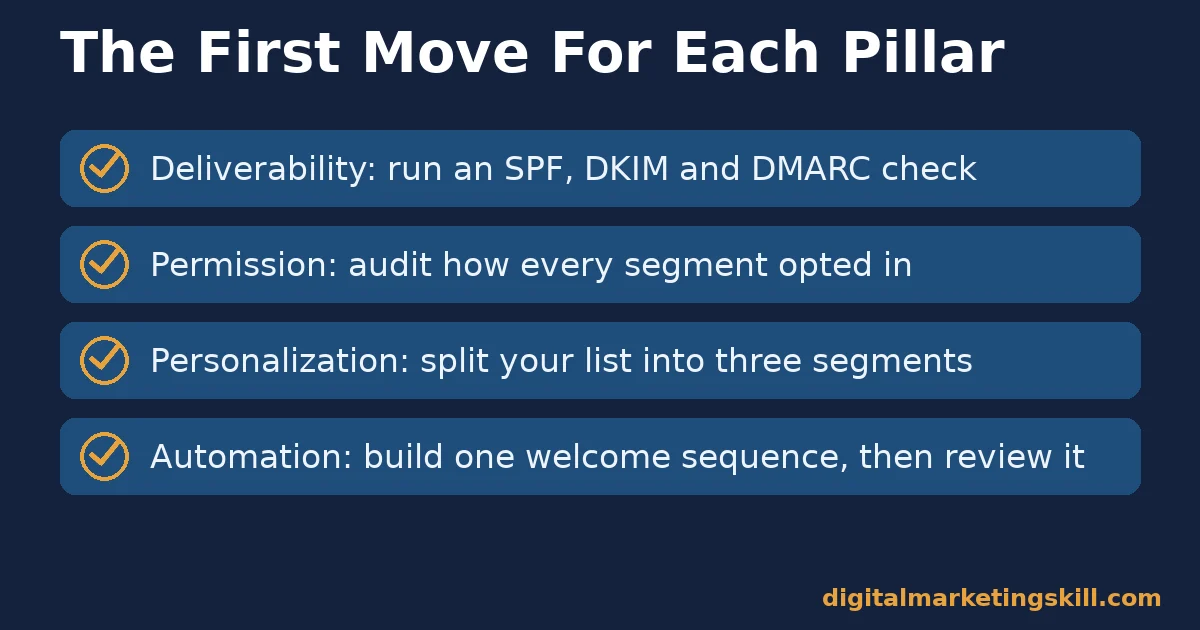
Knowing the four pillars only helps if it changes what you fix first. Here is the opening move for each one, in the order that actually produces results.
Deliverability: Lead With an Authentication Check
Check your domain’s SPF, DKIM and DMARC records this week. Use your email provider’s own testing tool to do it. Then check your spam complaint rate in Google Postmaster Tools if you send to Gmail addresses. Fix any gap before writing a single new campaign.
Permission: Lead With a Clean Opt-In Audit
Review how every segment of your list joined. Remove or re-permission any addresses added without clear consent. Then confirm your unsubscribe link works in one click. A smaller, consenting list usually outperforms a larger, unconfirmed one, because engaged recipients protect your sending reputation instead of damaging it.
Personalization: Lead With Three Segments
Split your list into three simple groups: new subscribers, recent buyers and inactive contacts. Write one subject line variant for each group. Send the same core content, with a different opening line for each. Compare the open rates against your own baseline.
Automation: Lead With One Welcome Sequence
Build a single three-email welcome sequence before attempting anything more complex. Trigger it the moment someone subscribes. Space the emails a few days apart, then review the results after two weeks before adding a second automated flow.
How To Measure Whether Your Email Marketing Strategy Is Working
Each pillar has its own signal. Track these four numbers against your own history, not someone else’s list, since audience and industry both move the baseline.
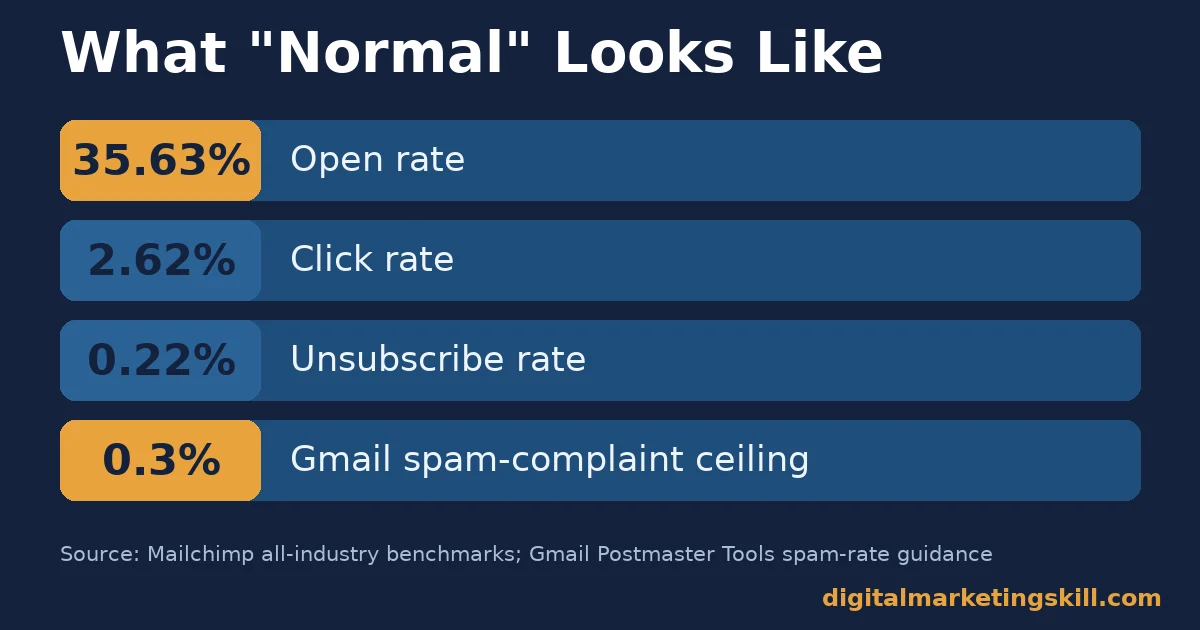
Four Numbers That Tell You The Truth
- Open rate. The share of delivered emails that were opened. Mailchimp’s all-industry average is 35.63%. Even so, Apple’s Mail Privacy Protection makes this number less reliable than it used to be.
- Click-through rate. The share of delivered emails that got a click. Mailchimp’s average sits at 2.62%. This is a more trustworthy engagement signal than opens.
- Unsubscribe rate. The share of recipients who opted out per send. Mailchimp’s average is 0.22%. A rising trend usually points to a permission or relevance problem, not a technical one.
- Spam complaint rate. The share of recipients who marked an email as spam. Gmail asks senders to stay under 0.3% in Postmaster Tools. Crossing that line can get future mail blocked outright.
These email numbers are most useful next to the rest of your funnel; our guide to online marketing metrics shows how to read acquisition, engagement, conversion and retention data together.
Read these numbers in sequence, not in isolation. A low open rate with a healthy complaint rate usually points to a deliverability problem. By contrast, a healthy open rate with a high complaint rate usually points to a relevance or frequency problem instead.
The One Decision Rule: Fix the Earliest Broken Pillar First
Diagnose your four pillars in order: deliverability, then permission, then personalization, then automation. Fix whichever one fails first before spending more time on the pillars after it.
This rule matters because the pillars are not independent. A beautifully personalized, perfectly automated email that lands in spam produces zero results. Meanwhile, a well-delivered, well-permissioned email with no personalization still outperforms one that never arrives at all. Fixing pillars out of order tends to waste the most time, since work on a later pillar often has to be redone once an earlier one is finally fixed.
Illustrative, invented example: a business with a 20% open rate might assume its subject lines are weak. So it spends a month testing copy. But if the real issue is a failed SPF record sending half its mail to spam, no amount of subject-line testing fixes that number.
The same logic applies moving up the chain. A business with solid deliverability and a clean list, but no segmentation, is leaving easy wins on the table. Fixing personalization before automation means every automated sequence you build later starts from a stronger baseline, instead of scaling a mediocre one.
A Real Case: What a Simple Test Did at Scale
On Barack Obama’s first US presidential campaign, analytics director Dan Siroker ran a test of four button designs against six media options on the campaign’s signup page. The test covered 310,382 visitors, as documented on the Optimizely blog. The winning combination was a plain “Learn More” button with a family photo. It lifted the signup rate from 8.26% to 11.6%, a 40.6% relative gain.
Optimizely estimated that change was worth roughly 2.88 million additional email addresses. It put the added donation value at about $60 million over the campaign.
That said, this is a modelled estimate from a company that sells testing software, and it comes from one campaign in one election. So treat the dollar figure as illustrative of what a single page test can be worth, not a guaranteed multiplier for any list.
Frequently Asked Questions About Email Marketing Strategies
What is the most important email marketing strategy to start with?
Fix deliverability first. Authentication records such as SPF, DKIM and DMARC determine whether your email marketing strategies ever reach an inbox. So no amount of better copy or segmentation helps until that is solid.
How long should an email subject line be?
There is no single ideal length that works for every list, since open behaviour varies by audience and device. Instead, test a short option against a longer one on your own list. Judge the result by your own click-through rate, not a generic rule.
Do I need permission before emailing someone?
In most cases, yes. Rules vary by country, but the US FTC’s CAN-SPAM guidance and the UK’s PECR rules both require clear sender identification and an honoured opt-out. PECR generally requires consent before emailing an individual at all.
Does personalization actually improve email marketing strategies?
Yes, in most cases. Segmenting a list and tailoring the opening line or offer to each group is a well-established way to beat an all-industry average. After all, a message built for a specific reader usually earns more attention than one written for everyone at once.
How many automated email sequences should I start with?
Start with one, usually a welcome sequence for new subscribers. Review its results for two weeks before adding a second flow. Running several untested automations at once makes it hard to know which one is actually underperforming.
How do I know if my emails are landing in spam?
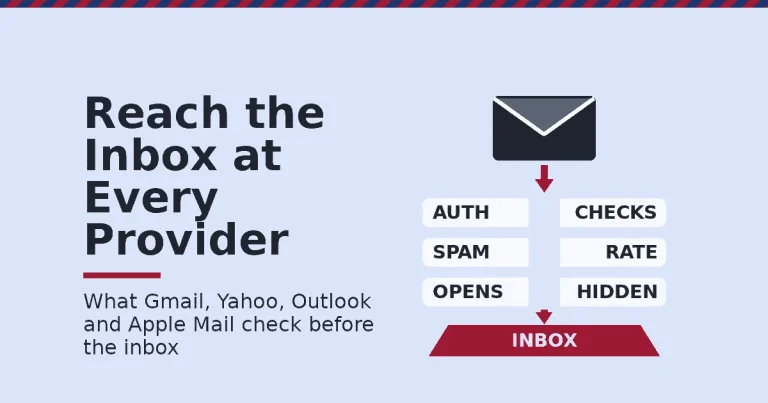
Check your spam complaint rate in Google Postmaster Tools if you send to Gmail addresses. Also watch your open rate for a sudden, unexplained drop. A healthy list with a solid sending history rarely sees complaint rates near Gmail’s 0.3% threshold. For a deeper walkthrough of what each inbox provider checks, see email deliverability.
Can small businesses compete with large senders on email marketing strategies?
Yes, often more easily. A smaller list that is fully permission-based and well-segmented usually outperforms a larger, loosely-permissioned one on every metric in this guide. Deliverability and trust matter more than raw list size.
How often should I email my list?
There is no universal number, since tolerance varies by audience and industry. Start with a frequency you can sustain with genuinely useful content, then watch your unsubscribe and complaint rates. A rising trend in either one is a signal to slow down, not a reason to stop testing.
Build These Email Marketing Strategies Into a Real Skill
Every pillar in this guide, deliverability, permission, personalization and automation, is a skill the Digital Marketing Skill Institute’s Master Diploma in Digital & AI Marketing teaches directly. That includes a dedicated lead generation and email automation track, inside ten courses split across four practical tracks.
The program includes unlimited 1-on-1 coaching and mentoring, real project work inside a U.S. partner company, and dual US and UK accreditation recognised in more than 100 countries. Plus, it runs 100% online, so you can build these email marketing strategies from wherever you live in your country.
Coaching from someone who has already diagnosed these four pillars for other businesses tends to be faster than working through each one alone by trial and error.
Explore the full Master Diploma in Digital & AI Marketing, read more real outcomes on the reviews page, or browse the Digital Marketing Skill Institute blog for more guides like this one.
When you are ready, apply here to get started, wherever you live. Overall, Digital Marketing Skill Institute has helped students build these exact skills from anywhere in the world, and Digital Marketing Skill Institute stays 100% online, so location is never the barrier.
Every figure in this guide was checked against its original source before publication. Figures marked as illustrative are invented examples, not real results.