Digital marketing job roles differ more than one job title suggests. An SEO specialist waits months to see results. A paid media specialist checks cost per result every day. A marketing manager answers for both. Knowing these differences helps you pick the right role, price your skills and hire the right person.
Key Takeaways
- Digital marketing job roles split by what they get measured on, not by vague duties. A marketing analyst lives inside dashboards. A social media manager lives inside a content calendar. Mixing the two causes bad hires.
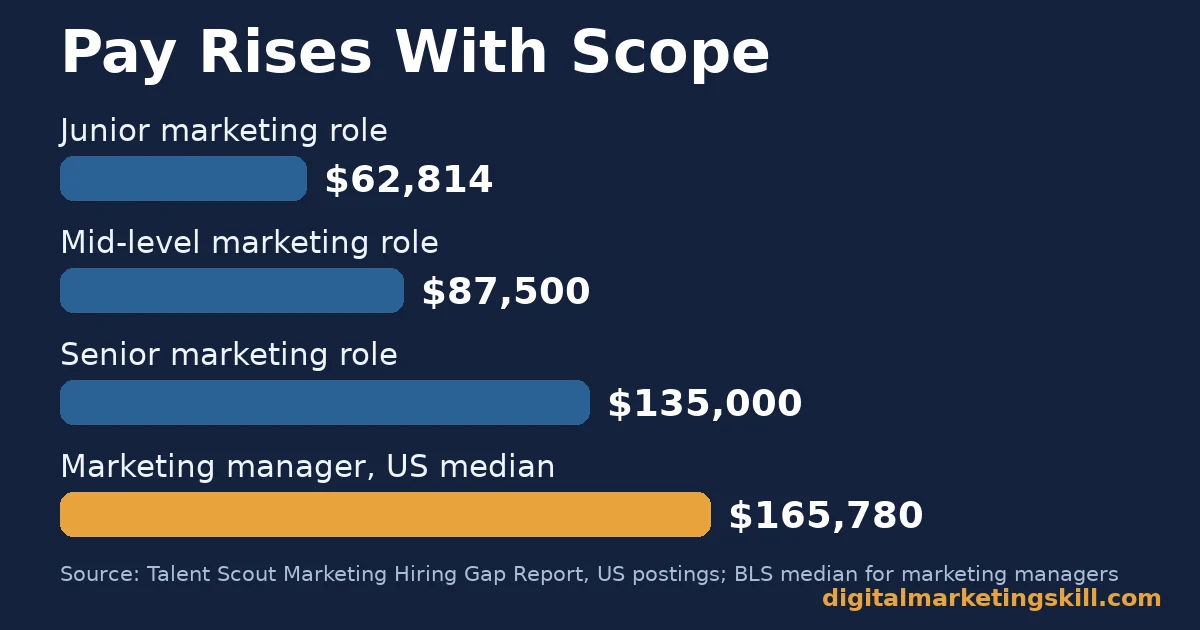
- Pay varies sharply by role. The US Bureau of Labor Statistics puts median pay for marketing managers at $165,780 a year. Talent Scout’s hiring data shows junior marketing roles advertised at a median of $62,814.
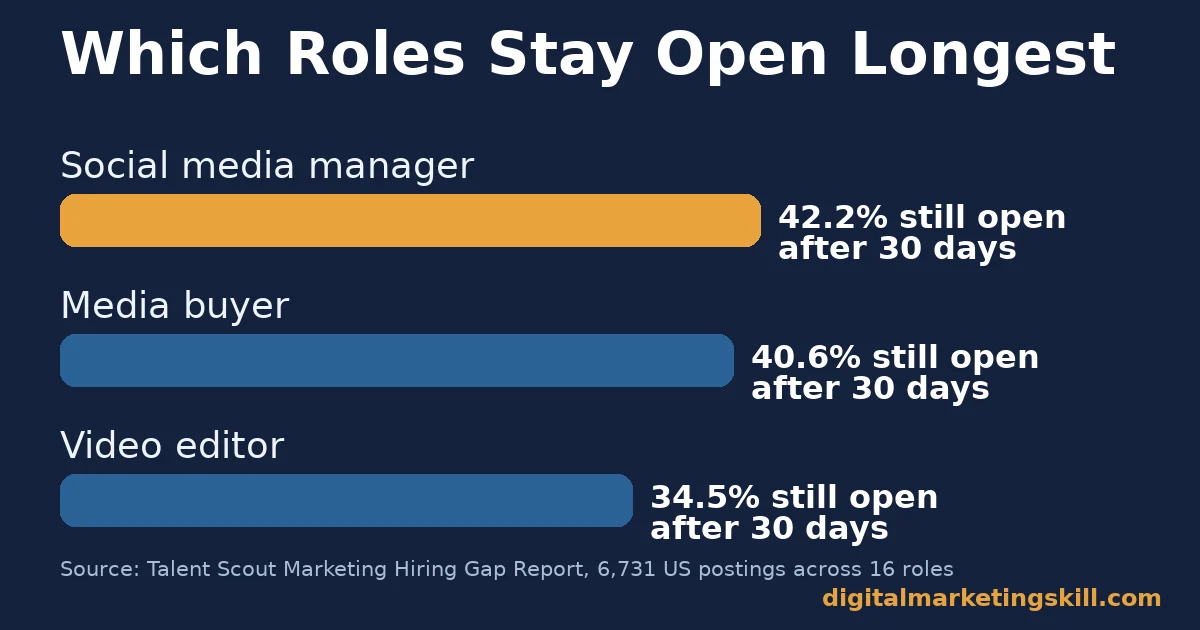
- Specialist roles stay hard to fill. Talent Scout found 42.2% of social media manager postings and 40.6% of media buyer postings were still open after 30 days, because its CEO blames tight budgets, not a lack of candidates.
- AI reshaped the skill mix inside every digital marketing job role. HubSpot’s survey of more than 1,500 marketers ranks AI prompting, team communication and data analysis as the top skills, since employers now screen for those first.
- The channel a role owns still shapes its ceiling. WordPress runs 40.1% of all websites, per W3Techs. That keeps steady demand for SEO and WordPress roles even when ad budgets shrink.
In this guide
- Most Lists Name Roles. Few Explain Why Pay And Hiring Differ
- How Digital Marketing Job Roles Divide Up The Work
- Seven Digital Marketing Job Roles, And What Each One Is Built For
- SEO Specialist: Built For Search Visibility
- Content Marketer: Built For Audience Trust
- Paid Media Specialist: Built For Budget Efficiency
- Social Media Manager: Built For Platform Relationships
- Email Marketing Specialist: Built For Owned Audience Value
- Marketing Analyst: Built For Measurement
- Marketing Manager: Built For Strategy And Coordination
- How To Lead In Each Digital Marketing Job Role
- SEO Specialist: Lead With Fixes Before Volume
- Content Marketer: Lead With Original Research
- Paid Media Specialist: Lead With Testing Discipline
- Social Media Manager: Lead With A Defined Scope
- Email Marketing Specialist: Lead With Segmentation
- Marketing Analyst: Lead With Causal Thinking
- Marketing Manager: Lead With Prioritisation
- How To Measure Performance In Each Role
- The One Decision Rule For Choosing A Role
- What Choosing The Right Role Looks Like
- Frequently Asked Questions About Digital Marketing Job Roles
- Build The Skills Behind One Digital Marketing Job Role
Most Lists Name Roles. Few Explain Why Pay And Hiring Differ
Search for digital marketing job roles and you get a list: SEO, social, email, paid, content, analytics, management. That list skips the reason behind it. Why is a social media manager role cheap to open but hard to keep filled? A marketing analyst earns trust faster than headcount, so why does that happen? And why does a generalist manager out-earn every specialist below them?
This guide treats each role as its own bet, with its own payoff and its own risk. Every figure below is sourced and named. Some figures are US-only and self-reported by employers or platforms, and that is stated each time.
Treat the pay figures as a useful range, not a fixed number for your market. If you are still deciding whether to enter the field at all, read our guide to a digital marketing career path first.
How Digital Marketing Job Roles Divide Up The Work
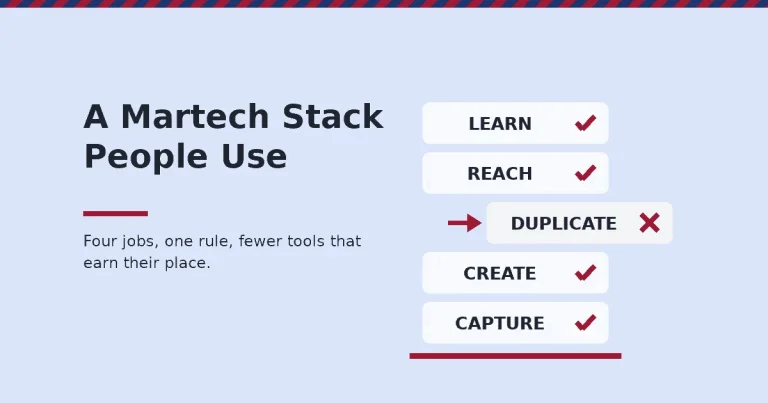
Every business doing marketing online needs four jobs done: getting found (SEO and content), getting chosen (paid media, social and email), getting measured (analytics) and getting coordinated (management). Digital marketing job roles map onto those four jobs almost exactly. That is why, across digital marketing job roles, a title alone tells you less than the metric attached to it.
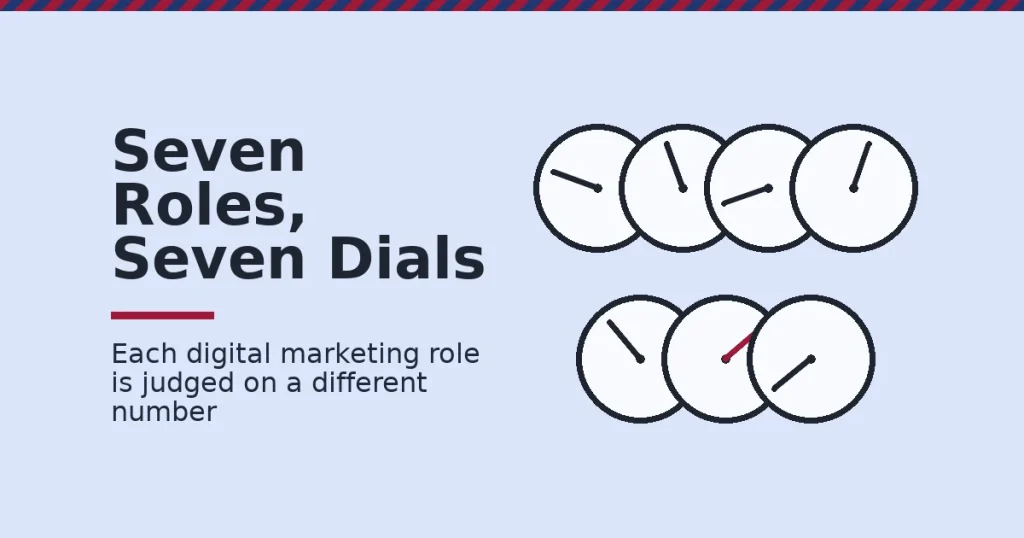
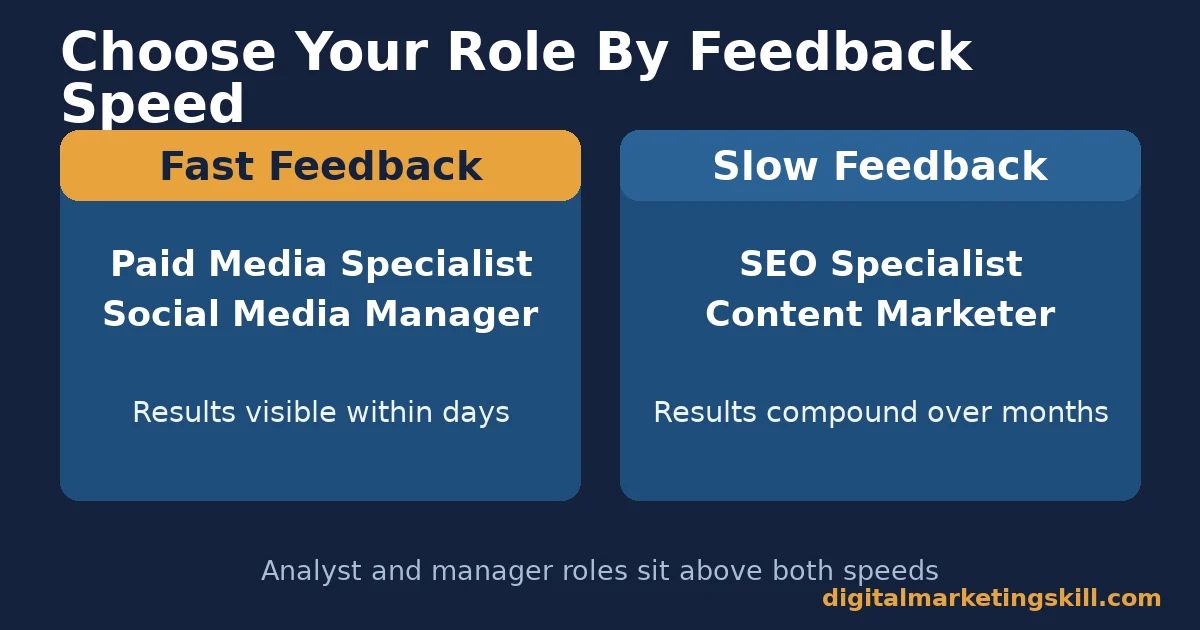
In every digital marketing job role, the core skill decides the core metric. An SEO specialist is judged on search visibility, and that moves slowly. A paid media specialist is judged on cost per result, and that updates daily.
This gap in feedback speed explains a lot. Paid roles burn people out faster. SEO roles reward patience instead. Google’s own guidance calls Quality Score “a diagnostic tool” built from expected clickthrough rate, ad relevance and landing page experience. It is not a lever you pull directly, so a paid media specialist has to get comfortable reading signals like that one.
Seven Digital Marketing Job Roles, And What Each One Is Built For
These seven digital marketing job roles show up most in real job postings and in the curriculum taught at Digital Marketing Skill Institute. Each one centres on one core skill, one core metric and one common trap.
SEO Specialist: Built For Search Visibility
An SEO specialist improves how often a site shows up in search results, so they fix technical issues, improve on-page signals and build topical authority. The core metric is organic traffic and ranking position. Both move slowly, so the role rewards consistency over bursts of effort.
Demand for this skill is structural, not a passing trend. W3Techs reports that WordPress powers 40.1% of all websites, and 58.6% of sites with a known content platform. Most of those sites need ongoing SEO work, not a one-time setup.
Content Marketer: Built For Audience Trust
A content marketer plans, writes and distributes material that earns attention without paying for it. Think blog posts, guides, video scripts and the research behind them. The core metric is engaged time, and later, assisted conversions. That is harder to prove than a simple click.
AI changed this role’s shape more than any other on this list. Content Marketing Institute’s B2B research found 95% of B2B marketers now use AI in their work. Among those using it for content, 87% reported a productivity gain and 58% a quality gain. That raises the bar for what “writing” now means in this role.
Paid Media Specialist: Built For Budget Efficiency
A paid media specialist turns a budget into measurable results across search, social and display auctions, so they choose audiences, test creative and read cost-per-result data daily. The core metric is cost per acquisition, or return on ad spend. Slow reactions get punished here.
Talent Scout’s Marketing Hiring Gap Report studied 6,731 unique US postings across 16 marketing roles. It found 40.6% of media buyer postings were still open after 30 days. Its CEO, Mike Bodkin, called the pattern “not a recruiting problem. That is a cost problem.” Budgets, not candidates, are the real bottleneck. Our guide to PPC campaign optimization breaks down the auction mechanics this role has to control.
Social Media Manager: Built For Platform Relationships
A social media manager plans content, builds a posting rhythm and replies to comments across one or more platforms. The core metric is engagement rate and follower growth relative to reach. Platforms calculate both differently, and often change how they do it.
This role carries the highest hidden cost of the seven. The Link in Bio Social Media Salary and Career Survey polled 2,500 professionals across 40 countries. It found 77% reported active or recent burnout, and 67.2% said they felt as though they were doing more than one job at once.
The same Talent Scout data found 42.2% of social media manager postings still open after 30 days, which is the highest share of any role it tracked. See our social media marketing skills guide for the skill set this role rewards.
Email Marketing Specialist: Built For Owned Audience Value
An email marketing specialist writes, segments and automates messages to a list the business owns outright. That differs from a rented social media audience. The core metric is click rate and revenue per email, and it responds directly to segmentation quality.
Mailchimp’s own benchmark data, drawn from its customer base, puts the all-industry average open rate at 35.63% and click rate at 2.62%, while the unsubscribe rate sits at just 0.22%. Those are averages across every sender on the platform. A specialist’s job is to beat them through better targeting, not bigger blasts. Our guide to email marketing lead conversion shows how that targeting turns into paying customers.
Marketing Analyst: Built For Measurement
A marketing analyst builds dashboards, sets up tracking and tells the team what actually moved results, because their job is to separate correlation from cause. The core metric is the accuracy of the measurement itself. That is why this role answers to every other role on this list.
LinkedIn’s Skills on the Rise analysis is based on the hiring outcomes of people actually hired, not self-reported skill claims. It ranks AI literacy and performance analysis among the fastest-growing marketing skills. That matches the analyst role’s growing weight inside hiring decisions.
Marketing Manager: Built For Strategy And Coordination
A marketing manager decides which channels get budget, then sets goals for the specialists above and answers for the combined result. The core metric is overall return across every channel, not any single one.
That broader load shows up in pay. The US Bureau of Labor Statistics reports a median annual wage of $165,780 for advertising, promotions and marketing managers, spread across 454,800 US jobs in total. That is projected to grow 6% over the decade, faster than average.
This figure is US-only, and it sits well above any single specialist role here. For the broader skill set hiring managers screen for across every role, see our guide to job-ready digital marketing skills.
How To Lead In Each Digital Marketing Job Role
Knowing what each role is built for is only half the picture. Across digital marketing job roles, here is what separates someone who just holds the title from someone who leads in it.
SEO Specialist: Lead With Fixes Before Volume
Most beginners write more content before fixing what is broken. Ahrefs studied roughly 14 billion indexed pages. It found 96.55% get zero traffic from Google, mainly because of three reasons: no search demand, no backlinks, or a format that does not match what the searcher wants. A specialist who leads in this digital marketing job role checks for those three failures first, before ever adding one new page.
Content Marketer: Lead With Original Research
AI made competent prose cheap. A content marketer who only rewrites what already ranks is easy to replace. Content Marketing Institute names “measuring content effectiveness” and “differentiation” as top B2B content challenges. That rewards a content marketer who brings a verified number or a real case study, not just a better sentence.
Paid Media Specialist: Lead With Testing Discipline
A specialist who leads in this role changes one variable at a time. They wait for a campaign to exit its learning period before judging it, because early results are often false signals.
Google’s own guidance on average daily budgets says campaigns aim to spend a set amount each day, so they will not exceed roughly 30.4 times that figure in a month. A specialist needs to know mechanics like that before shifting spend mid-month.
Social Media Manager: Lead With A Defined Scope
Because of the burnout numbers above, the people who last in this role set a fixed package. For example, a set number of posts and stories, plus one weekly report. They do not promise to “be available” across every platform, every hour. The Link in Bio survey found nearly 75% of professionals who negotiated their terms got more than the first offer. Setting scope early beats absorbing extra work quietly.
Email Marketing Specialist: Lead With Segmentation
A specialist who leads in this role segments a list by behaviour, not just by growing its size. A smaller, well-segmented list beats a large, flat one on click rate and revenue per email almost every time. This is the single highest-leverage skill in the role. The benchmark averages above apply to a whole list, and segmentation is what lets a specialist beat them.
Marketing Analyst: Lead With Causal Thinking
Anyone can build a dashboard. The analysts who lead explain why a number moved, not just that it moved. Google Analytics renamed “conversions” to “key events” to cut confusion with Google Ads’ own conversion tracking. The change is only useful if the analyst knows the underlying data did not change, only the label. That kind of precise correction is what builds trust in this role.
Marketing Manager: Lead With Prioritisation
HubSpot’s survey found 73% of marketers report more budget scrutiny than before. Most companies do not plan to add real marketing headcount soon. A manager who leads under that pressure cuts weak channels early. They move budget to the channels with named, sourced returns, instead of spreading a shrinking budget evenly out of habit.
How To Measure Performance In Each Role
Every digital marketing job role above needs its own measurement. Borrowing the wrong one causes bad reviews and bad decisions. Use this as a quick reference for each digital marketing job role.
- SEO specialist: organic sessions and keyword position over a rolling 90-day window. Shorter windows are just noise.
- Content marketer: average engaged time and assisted conversions, read alongside raw traffic, not instead of it.
- Paid media specialist: cost per acquisition and return on ad spend, read only after a campaign exits its learning period.
- Social media manager: engagement rate relative to reach, not follower count alone. Reach moves on its own.
- Email marketing specialist: click rate and revenue per email by segment, checked against the platform averages above.
- Marketing analyst: whether other teams act on the analyst’s reports. That is harder to track, but more honest than dashboard views.
- Marketing manager: blended return across every channel they oversee, weighted by the budget each channel got.
The One Decision Rule For Choosing A Role
When you compare digital marketing job roles for your first job, match each one’s feedback speed to your own patience. Pick a fast-feedback role, like paid media or social, if you want results within days.
Pick a slow-feedback role, like SEO or content, if you can wait months for results to compound without losing motivation. Analyst and manager roles sit on top of both speeds, so they rarely work as a first role.
Here is an illustrative example, with invented numbers. One person enjoys daily feedback, so they take a paid media assistant role. They run a small test budget and adjust weekly. Another person prefers steady, compounding work, so they take an SEO assistant role. They audit one site section a month and check rankings every quarter. Neither choice is wrong. But swapping their roles would frustrate both people.
What Choosing The Right Role Looks Like
Real outcomes from Digital Marketing Skill Institute graduates show how the right role changes the result, not just any marketing job. Kofi B., a graduate who now works remotely for a Canadian employer, credits the shift to one specific skill.
“What won me the remote role in Canada was my AI marketing knowledge. I could do the work of a 3-person team. My location became irrelevant.” That is a specific skill tied to a specific role, not a vague credential.
The Institute reports that 29% of its graduates are employed before graduating, 86% within six months and 98% within 18 months. These are the Institute’s own figures, not an independent audit. Weigh them as self-reported outcomes, not a guarantee.
Frequently Asked Questions About Digital Marketing Job Roles
Which digital marketing job role pays the most?
Marketing manager roles usually pay the most, because they carry accountability for every channel underneath them. The US Bureau of Labor Statistics puts median pay for marketing managers at $165,780 a year, well above any single specialist role. That figure is US-only.
Which digital marketing job role is easiest to start?
Social media manager and email marketing specialist roles are usually the easiest entry points. Both need only a laptop and free or low-cost tools. Both are also crowded, so beginners need to stand out fast.
Do digital marketing job roles need coding skills?
No. Most roles, including SEO, social, email and paid media, use point-and-click platforms and visual website builders. Coding helps in advanced technical SEO and some analytics work, but it is not a requirement to start.
Can you move between digital marketing job roles later?
Yes, and it happens often. A specialist who adds a second skill, such as a content marketer who learns basic paid media, becomes worth more than either skill alone. Many marketing managers started in one specialist role before moving into coordination.
Which digital marketing job role allows the most remote work?
SEO, content, email and analytics roles tend to be the most remote-friendly, because the work is async and tool-based. Social media and paid media can also go remote, but they often need faster response times during business hours.
Will AI replace digital marketing job roles?
It is changing them, not replacing them outright. HubSpot’s survey found 86.4% of marketing teams already use AI in at least some areas. That is making routine tasks, like first drafts and basic reports, cheaper. It is also raising demand for people who can direct AI tools and judge the output.
What is the difference between a marketing analyst and a marketing manager?
A marketing analyst measures what happened and why. A marketing manager decides what to do next and where the budget goes. The two roles work together, but one explains results, and the other allocates resources based on them.
How long does it take to become competent in a digital marketing job role?
Most people need a focused course plus one real project to reach a hireable standard in one role. That usually takes months, not years, because digital marketing tools are built to be learned by doing.
Build The Skills Behind One Digital Marketing Job Role
Picking the right one among digital marketing job roles matters. But the skill behind it is what gets you hired, and what keeps you hired.
Digital Marketing Skill Institute’s Master Diploma in Digital & AI Marketing covers the practical skills behind every role in this guide. That includes AI-powered search engine optimisation and content marketing, AI-powered Google advertising across search, display, discovery, Gmail and YouTube, AI-powered social media marketing and analytics, AI-powered email marketing and automation, and AI-powered Google Analytics. It also covers lead generation, website and e-commerce development, and content creation.
The program includes unlimited one-on-one mentoring. It carries dual US and UK accreditation, recognised in more than 100 countries, and it runs 100% online. You can build these skills anywhere in your country. Explore the full Master Diploma in Digital & AI Marketing curriculum. Read more outcomes on the reviews page, or browse more guides on the digital marketing blog.
Wherever you live, the decision rule above still holds. Pick the role that matches how fast you want feedback, then build one real project in it. When you are ready, apply to the Master Diploma program at Digital Marketing Skill Institute, and start building proof instead of just a title.
Every figure in this guide was checked against its original source before publication. Figures marked as illustrative are invented examples, not real results.
![9 Amazing Digital Marketing Skills to Make Money Online [With Proof]](https://digitalmarketingskill.com/wp-content/uploads/2019/07/9-Amazing-Digital-Marketing-Skills-to-Make-Money-Online-With-Proof-17.png)