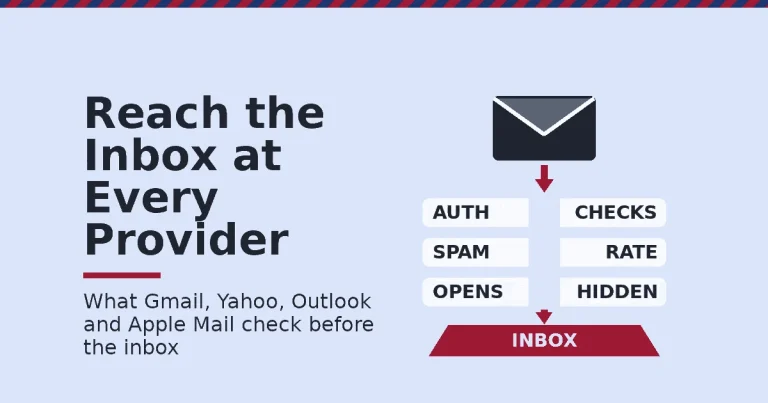
Social media engagement principles decide whether your content earns attention or disappears into a shrinking feed. Organic reach on the biggest platforms has fallen below five percent of followers. Posting alone no longer works. The social media engagement principles that still move the needle are consistency, platform fit, source-backed trust, and fast, genuine replies to real people.
Key Takeaways
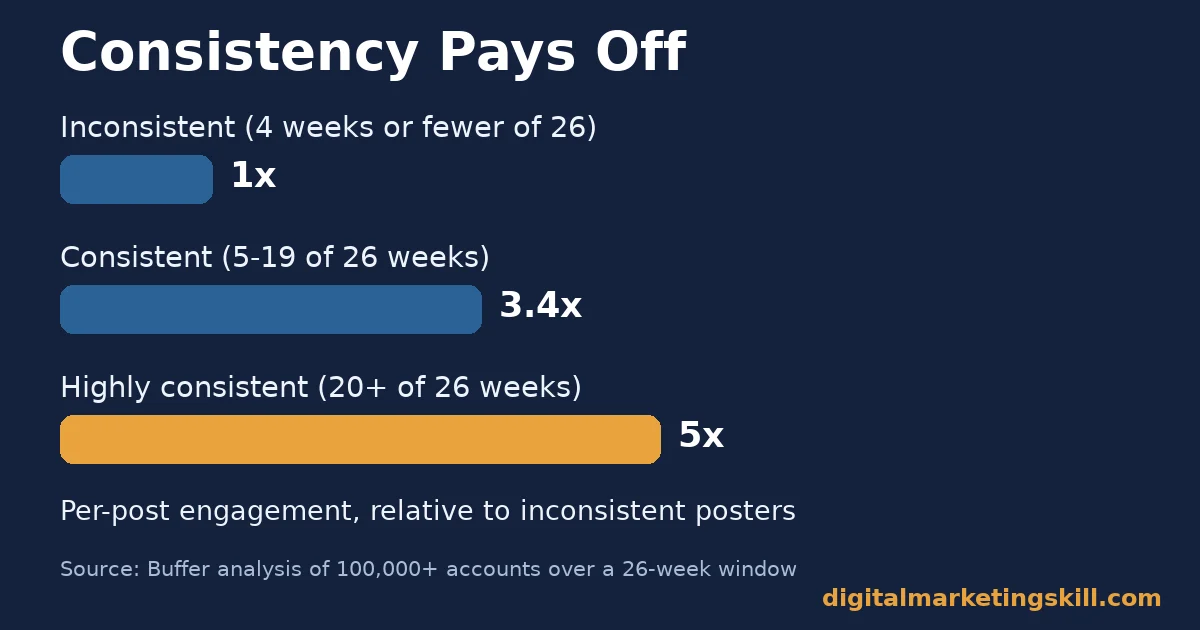
- Highly consistent posters in Buffer’s analysis of over 100,000 accounts earned about five times the per-post engagement of sporadic posters. Platforms reward a steady signal history, not a single burst of activity.
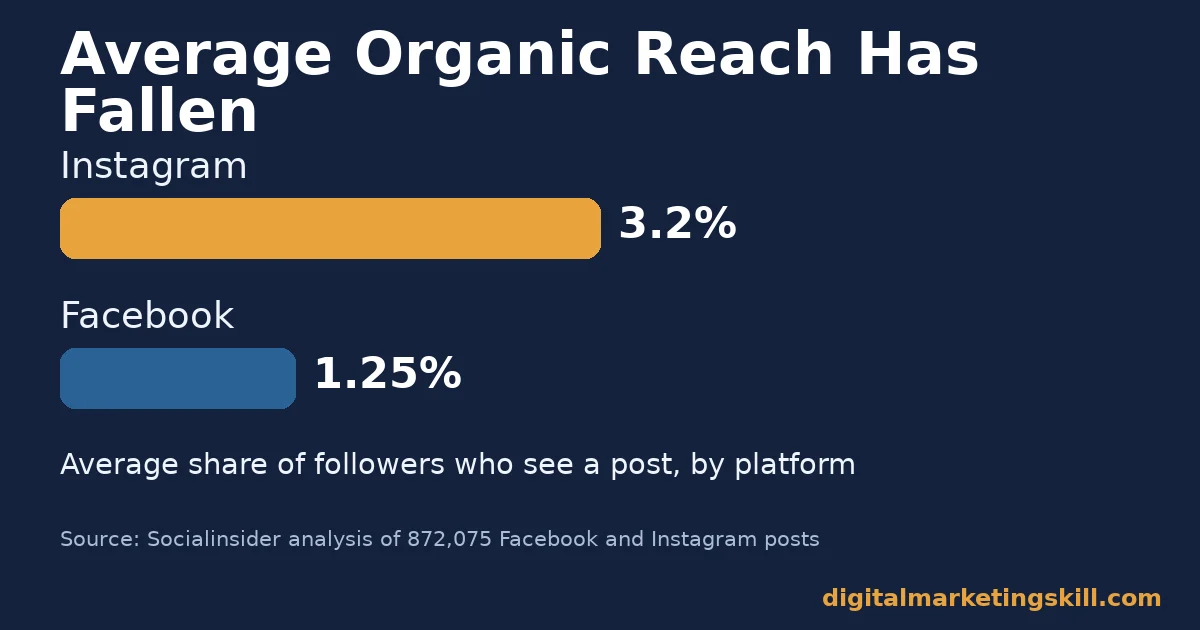
- Average organic reach has fallen to roughly 3.2% on Instagram and 1.25% on Facebook, per Socialinsider’s analysis of more than 870,000 posts. Fewer than 1 in 20 followers now sees a typical post for free.
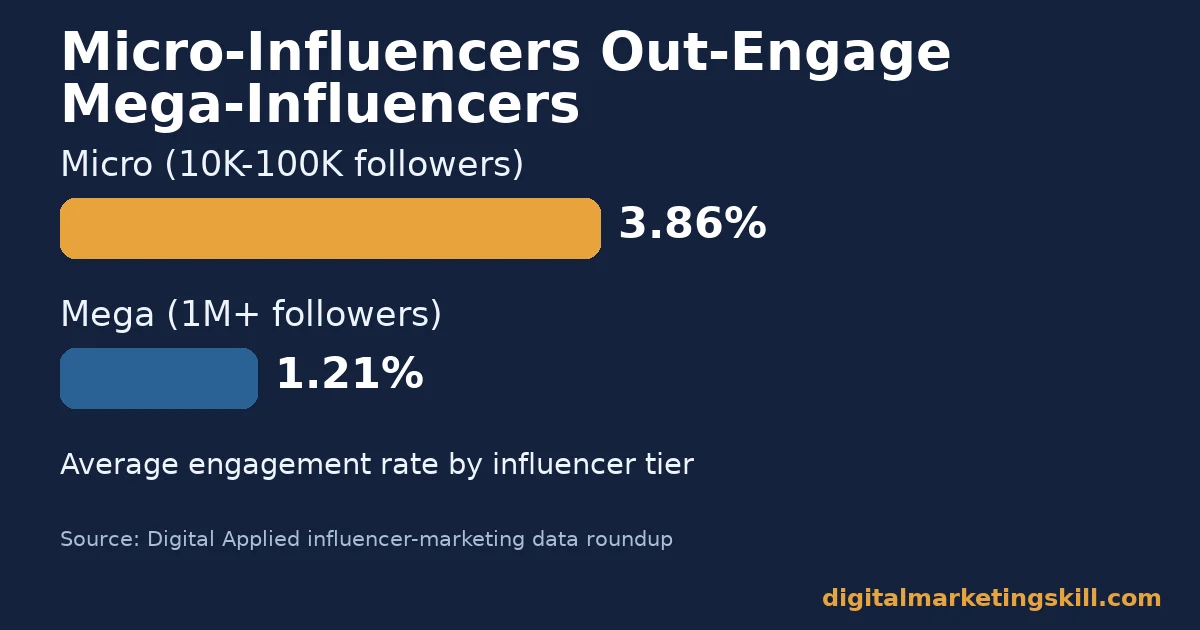
- Micro-influencers (10,000-100,000 followers) averaged 3.86% engagement versus 1.21% for mega-influencers in Digital Applied’s influencer data, a roughly 3.2x gap. Trust beats raw audience size.
- 83% of social media users expect a brand to reply within a day, per a Clutch survey of 532 weekly users. A slow reply is now a visible, measurable failure.
- Over half of marketers surveyed by Databox said LinkedIn is their primary B2B platform, versus about a fifth for Facebook. Platform choice should follow the buyer, not habit.
In this guide
- Where Most Social Media Engagement Principles Advice Falls Short
- How Platforms Actually Decide What to Show
- What Differs by Platform and Partner
- How to Lead With Each One
- Measuring Social Media Engagement Principles
- The One Decision Rule
- A Real Case Worth Studying
- Frequently Asked Questions About Social Media Engagement Principles
- Apply These Social Media Engagement Principles With Support
Where Most Social Media Engagement Principles Advice Falls Short
Most “principles of social media marketing” articles repeat timeless rules. “Be patient.” “Add value.” None of it ties to something you can check. That approach worked when reach was generous. A handful of good habits was enough to stand out. It does not hold up now. Reach is scarce, and algorithms weigh dozens of signals per post.
This guide keeps the classic social media engagement principles, useful whether you are refreshing basic social media marketing skills or running an established program. But it grounds each one in named data, and a way to measure it. Most older lists name no study, no sample size, and no scope. A rule you cannot check is a rule you cannot defend to a manager or a client. It also goes stale the moment platform behaviour shifts. Every claim below names its source so you can judge how much weight to give it.
A few ground rules first. Platform-reported reach percentages are tool estimates, not exact counts, because they vary by measurement method and account size. Survey figures on expectations and trust are self-reported too, so treat every number here as a snapshot of current behaviour, not a permanent ranking. Algorithms and audience habits change often, which means the percentages will move even while the underlying principle holds. In other words, learn the pattern behind each number, not the exact figure, because the figure is the part most likely to be different by the time you read this.
That distinction matters because social media engagement principles age differently than social media statistics do. A principle such as “reply quickly” or “post consistently” describes a behaviour that keeps paying off regardless of which platform is winning attention this season. A statistic such as “Instagram reach sits at 3.2%” describes a condition that can shift within a single algorithm update. This guide leads with the principle every time, and uses the statistic only to show you how to check whether that principle is still working for your account specifically.
How Platforms Actually Decide What to Show
Every major feed ranks content. It does not show posts in order of time. Instagram’s own head of product has named three top signals for Reels and feed distribution: watch time and completion rate, “sends” (shares through direct message), and likes relative to reach, as reported by Hootsuite. Saves signal lasting value. Shares signal content people will pass on. So a post that earns only likes ranks lower than one that earns saves and sends, even with the same like count.
This mechanism explains why two classic social media engagement principles, quality and attention, matter more than they did a decade ago. It is also why a clear content marketing strategy now matters as much on social feeds as it does on a blog. Socialinsider’s analysis of more than 870,000 Facebook and Instagram posts found average reach has fallen to about 3.2% on Instagram and 1.25% on Facebook. Smaller pages (1,000-5,000 followers) still reach about 6.65% of followers on Instagram. Larger pages (100,000-1,000,000 followers) reach only 3.5%. More brands are publishing into the same finite attention, so content that only earns a glance and a like loses the ranking contest. Content that earns a save, a share, or a reply wins it instead.
Consistency changes this picture too. Ranking systems weigh your account’s recent behaviour, not just one post. Buffer reviewed over 100,000 of its own accounts across ten platforms over a 26-week window. Highly consistent posters, active in 20 or more of those 26 weeks, earned about 5x the per-post engagement of inconsistent posters, active in 4 weeks or fewer. Engagement peaked around week 21. Buffer measured weekly posting cadence, not total volume. That matches an old social media marketing principle: patience. A steady rhythm beats a short burst, however large.
What Differs by Platform and Partner
The mechanism above is shared across platforms. But which principle matters most still depends on who you are trying to reach, and who helps you reach them.
B2B Audiences: Built For LinkedIn’s Decision-Makers
Databox’s survey of B2B marketers found more than half primarily use LinkedIn for a B2B social media strategy. Roughly a fifth lead with Facebook instead. Close to three-quarters said LinkedIn reaches decision-makers better than Facebook does. That is because LinkedIn’s feed is built around a professional identity, surrounded by peers and colleagues. So a post framed as personal promotion performs worse there than one framed as a professional insight or a documented result.
Consumer Audiences: Built For Visual, High-Frequency Feeds
Consumer brands compete inside the reach collapse described above, because their feeds are set by entertainment and personal updates, not by other brands. A post has to earn attention against family photos and creator content, which is a higher bar than beating a competitor’s ad. So once a baseline posting cadence is in place, fewer, better posts tend to beat more frequent, average ones.
Influencer Partners: Built For Trust Over Follower Count
Digital Applied’s influencer-marketing data roundup found micro-influencers (10,000-100,000 followers) averaging 3.86% engagement. Mega-influencers, over a million followers, averaged only 1.21%, about a 3.2x gap. A Nielsen global trust survey of more than 40,000 consumers backs this up. 88% trust recommendations from people they know more than any other channel, about 50% more than lower-ranked channels such as banner ads, mobile ads, and SMS. A small, close-knit influencer audience behaves more like “someone you know” than a celebrity endorsement does. That is the old principle behind social media influencer marketing, restated with a number attached.
Community and Niche Platforms: Built For Depth Over Scale
Forums, private groups, and smaller topic platforms rarely show up in the broad reach studies above. Their design trades scale for depth: a smaller group of people who genuinely care, replying to each other as much as to the brand. The principles of attention and patience apply here in a purer form. One thoughtful, specific answer travels further inside a tight community than a polished promotional post ever does. The trust Nielsen measured at 88% is often already built in before you post anything at all.
How to Lead With Each One
Understanding a platform only pays off once it changes what you do each week. Here is how each social media marketing principle above turns into a weekly habit.
B2B Audiences: Lead With LinkedIn-Native Proof
Post from the company page and from relevant team members’ personal profiles. LinkedIn’s professional framing rewards named, specific results over generic announcements. Share one documented case, one lesson learned, and one data point a month. Skip the stream of self-promotion. Track whether comments come from job titles that match your actual buyer before you count a post as a win.
Consumer Audiences: Lead With a Consistent, Value-First Rhythm
Set a posting cadence you can sustain for at least 20 of the next 26 weeks. That matches Buffer’s “highly consistent” threshold. Do this before you worry about posting more often. Inside that rhythm, prioritise content built to be saved or shared: a short how-to, a before-and-after, a genuinely useful list. Keep promotional posts rare enough that a new follower could stay a month without feeling sold to on every visit. That is the old principle of value and reciprocity, now backed by a feed that measures saves and sends directly.
Influencer Partners: Lead With Reciprocity and Fast Responses
Favour several micro-influencers whose audience matches your buyer over one mega-influencer with simply a large audience. The engagement gap above explains why. Treat every reply, comment, and shared post as a relationship, not a one-off transaction. Build in time to reciprocate: share, comment on, and credit the people who engage with you. Clutch’s survey of 532 weekly social media users found 83% expect a reply within a day or less. 45% think more positively of a brand that replies to a negative comment. A same-day reply habit is a baseline expectation now, not a courtesy.
Community and Niche Platforms: Lead With Specific, Answerable Content
Write as if you are answering one real question from one real member. Do not broadcast to an anonymous crowd. Name the exact tool, step, or number involved, rather than giving a general tip. Specific answers earn a save or a follow-up reply in a smaller, more attentive group. Show up often enough to be seen as a regular participant before you ever mention your product. The trust advantage of these spaces disappears the moment they feel like another ad channel.
Measuring Social Media Engagement Principles
Each social media marketing principle above maps to a number you can track without specialist tools, using the counts your platform’s own analytics already show. Here is a quick worked example. A post reaches 2,000 of your 10,000 followers. It gets 40 saves, 10 shares, and 150 likes. That is a reach rate of 20%. It is an engagement rate of about 10%, or 200 interactions divided by 2,000 reached. That is enough to compare against last month’s posts and judge whether a format is improving.
- Reach rate: the share of followers, or a defined audience, who saw a post. Read it as a trend over several weeks. One unusually strong or weak post will skew a single reading.
- Engagement rate: interactions (likes, comments, saves, shares) divided by reach or by followers. Read it alongside reach. A high rate on a tiny reach is not the same win as the same rate on a large one.
- Save and share rate: saves and shares divided by reach, a proxy for the “lasting value” and “sends” signals platforms say they weigh. A rising save rate means your content is becoming reference material, not just a scroll-past.
- Response time: the time between an inbound comment or message and your first reply. Most business inboxes show this already. Treat anything regularly over a day as a competitive risk.
- Cost per qualified lead: total spend divided by leads your sales process actually accepts, not raw leads or clicks. Read it platform by platform. A cheaper click can still carry a higher cost per qualified lead once sales effort is counted.
- Posting consistency: the number of weeks out of the last 26 in which you published at least one post, the same measure Buffer used. Read it monthly, because a single busy week cannot make up for three quiet ones.
None of these numbers replace judgment, but together they turn five social media engagement principles into five things you can check on a Friday afternoon, which is the whole point of pairing social media engagement principles with data instead of leaving them as slogans. If a KPI stalls for a month, revisit the principle behind it rather than the content itself, since the content is usually fine and the habit around it is usually the real problem.
The One Decision Rule
If you only have time to fix one thing this month, fix reply speed and platform fit first. Do this before you add more posts or spend on influencer outreach. Both are cheaper to change than content volume. Both show up directly in the numbers above. Response time is binary: fast or slow. Platform fit shows up immediately in who actually comments.
Illustrative, invented numbers: a small team spends 10 hours a week on social media, split 7 hours on posting and 3 hours on replies. They reallocate to 5 hours on posting and 5 hours on replies for a month. If average response time drops from two days to same-day, and reply-driven engagement rises, that is a signal to keep the new split. If nothing changes, the original mix was not the constraint. The real gap sits elsewhere, in platform choice or content quality. Either way, you will know within a month instead of guessing for a quarter, because the test is cheap and the signal is fast.
This decision rule works because it forces a choice between two social media engagement principles that often compete for the same hour of work: making more content, or looking after the content you already made. Most teams default to making more, since it feels more productive. But the data above suggests the opposite habit, reply speed and platform fit, pays off faster and costs less to test.
A Real Case Worth Studying
Digital Marketing Skill Institute student Ayooluwa Osemi, as published on the Institute’s reviews page, reported spending $14 on Facebook and Instagram ads and making $878 back. The case does not promise a repeatable return for every business or budget size. Results like this are not typical, and nothing here is a guarantee; see the Institute’s earnings disclaimer for the limits on any income example. The case does show the pattern this guide argues for. A small, consumer-facing ad budget, paired with a response and engagement habit, outperformed an unfocused, higher-spend campaign with no follow-through. The exact ratio of spend to return depends on product, price, and audience, so do not copy the numbers. Copy the order of operations: get targeting, creative, and replies right on a small budget, then scale the spend behind it.
Frequently Asked Questions About Social Media Engagement Principles
What are the most important social media engagement principles for a small business?
Consistency comes first, because it compounds. Show up on a sustainable schedule for most weeks of a quarter, instead of posting in bursts. Buffer’s data ties that pattern to roughly 5x the engagement of sporadic posting. Fast, genuine replies come second, since they protect the audience consistency builds.
Do the same social media engagement principles work on every platform?
The underlying principles hold everywhere: consistency, quality over volume, fast replies, and trust over reach. But how you apply them differs. A LinkedIn post built for decision-makers looks nothing like a consumer post built for a visual, high-frequency feed, even though both follow the same social media engagement principles underneath.
How often should a brand post on social media?
Often enough to hit a rhythm you can sustain for at least 20 of the next 26 weeks. A smaller number of posts, kept on schedule, outperforms a larger number that stops after a few weeks.
Is LinkedIn or Facebook better for B2B marketing?
For reaching business decision-makers, LinkedIn tends to perform better. More than half of marketers surveyed by Databox named it their primary B2B platform, versus about a fifth for Facebook. Facebook still works well for broader consumer awareness.
Do micro-influencers really outperform larger influencers?
On engagement rate, yes. Digital Applied’s data put micro-influencers at 3.86% engagement against 1.21% for mega-influencers. That gap tracks with a wider pattern: people trust people they feel close to more than they trust distant celebrity accounts.
How fast should a brand respond to a comment or message?
Within the same day, in most cases. 83% of social media users surveyed by Clutch expect a reply within a day. A slow or missing reply is one of the most visible, avoidable failures a brand can have on social media.
How long does it take to see results from these principles?
Plan for a full quarter, not a few days. Consistency effects compound over weeks. Buffer’s data found engagement climbing through roughly 20 weeks of steady posting before it levelled off. Judge a platform or format only after that window.
What is the biggest mistake brands make on social media?
Treating every post as a sales pitch. A feed that is mostly self-promotion gives followers little reason to save, share, or reply. Those are exactly the signals platforms now weigh most heavily when deciding who sees a post next.
Can you apply these principles without paid analytics tools?
Yes. Reach, engagement, save rate, and response time are all visible inside the free, native analytics each platform gives business accounts. A small team can track every KPI in this guide with a spreadsheet and ten minutes a week.
Apply These Social Media Engagement Principles With Support
Turning these social media engagement principles into a daily habit is easier with structured coaching than it is alone. That is the gap Digital Marketing Skill Institute was built to close. Its Master Diploma in Digital & AI Marketing covers nine practical courses. These include AI-Powered Social Media Marketing & Analytics and AI-Powered Content Creation: Graphics & Video, alongside AI-Powered Lead Generation and AI-Powered Search Engine Optimisation & Content Marketing. Every student gets unlimited 1-on-1 coaching and mentoring, plus real project work inside a U.S. partner company. A coach reviews your actual posting and reply habits, not a generic exercise.
The diploma is dual US and UK accredited, and recognised in more than 100 countries. It runs 100% online, so you can study from anywhere in your country without relocating or taking time off work. Whether you run social for a small consumer brand or lead B2B social for an employer, you can build these skills wherever you live, and apply them the same week you learn them.
Start with the Institute’s digital marketing training overview. Read real outcomes on the reviews page. Browse more guides on the digital marketing blog. When you are ready, review the full Master Diploma in Digital & AI Marketing curriculum, or go straight to apply and start training wherever you are based, including anywhere in your country.
Every figure in this guide was checked against its original source before publication. Figures marked as illustrative are invented examples, not real results.
![9 Amazing Digital Marketing Skills to Make Money Online [With Proof]](https://digitalmarketingskill.com/wp-content/uploads/2019/07/9-Amazing-Digital-Marketing-Skills-to-Make-Money-Online-With-Proof-17.png)