
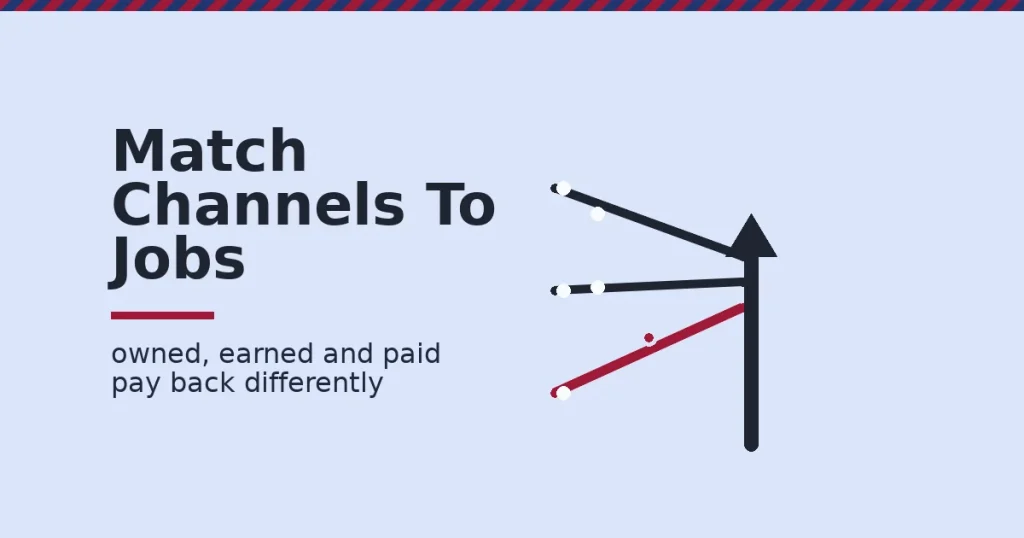
Increase website traffic by matching each channel to the job it does best. Running every channel the same way wastes effort. Backlinko found the top organic result captures 27.6% of clicks. Ahrefs found the average guest post refers only about 50 visits. The two channels need completely different expectations. For a broader set of channel-by-channel tactics, see our guide to free website traffic tactics that actually compound.
Key Takeaways
- Position decides clicks more than most people think. Backlinko’s analysis of 4 million Google results found the #1 organic result captures 27.6% of all clicks, and the top three results together capture 54.4%.
- Guest posts earn links, not direct traffic. Ahrefs studied 239 guest posts and found the average referral traffic per post was only about 50 visits; the real payoff is the backlink.
- Most pages never get found at all. Ahrefs’s study of roughly 14 billion pages found 96.55% get zero traffic from Google, usually from weak demand or missing backlinks.
- Depth earns links that drive compounding traffic. Backlinko’s study of 912 million blog posts found posts over 3,000 words earn 77.2% more backlinks than posts under 1,000 words.
- Email timing has a measurable best window. Omnisend’s analysis of roughly 26 billion emails found Tuesday produces the highest open rate, with the 9-to-11am window performing most reliably.
In this guide
- What Most Traffic Advice Gets Wrong
- Website Traffic Comes From Three Channel Types
- How to Grow Each Channel Type
- Five Reasons Traffic Tactics Fail to Compound
- How to Measure Whether Your Traffic Is Working
- The Most Useful Rule: Build Owned Channels Before Chasing Earned Ones
- A Four-Week Plan to Increase Website Traffic
- A Real Case: How Posting Frequency Grew Our Own Blog Traffic
- Frequently Asked Questions About Increasing Website Traffic
- Start With One Channel, Then Expand
What Most Traffic Advice Gets Wrong
Most lists for how to increase website traffic read the same way. Blog more, post on social media, try some ads, maybe guest post. None of it is wrong. But it treats every tactic as if it pays back the same way, on the same timeline.
This guide groups the tactics that increase website traffic by the kind of channel they build. It shows what to do differently for each group. Then it gives you a way to measure whether traffic is actually growing, or just fluctuating.
A few ground rules first. The Backlinko and Ahrefs figures come from large third-party studies of search results and content. Read them as informed benchmarks, not guarantees for your specific site. Treat every number here as a snapshot, not a permanent ranking.
Website Traffic Comes From Three Channel Types
Most sites already run tactics from all three channel types without naming them that way. A blog post is owned, a guest post is earned, a retargeting ad is paid. The gap is rarely a missing tactic. It is usually a mismatch, where a channel built for speed gets judged on compounding, or one built to compound gets abandoned too early.
Marketers have used owned, earned and paid media as a rough split for decades, and it still holds. Each type needs a different investment. Each pays back on a different timeline. Growing all three the same way wastes effort on the ones that need patience.
Owned Channels: Built to Compound
Owned channels are the ones you fully control: your blog, your site’s SEO, your email list. They are slow to start but fast to compound. Each new page or subscriber adds to what you already have.
This is where depth pays off. Backlinko’s study of 912 million blog posts found posts over 3,000 words earn 77.2% more backlinks than posts under 1,000 words. Those backlinks keep feeding search traffic long after a post is published.
Email belongs in this group too, because the list is yours once someone subscribes. Timing still matters at the margins. Omnisend’s analysis of roughly 26 billion emails found Tuesday sends in the 9-to-11am window earn the highest open rates, a small lever worth pulling once the list itself is growing.
Earned Channels: Built on Relationships
Earned channels are traffic and links you get because someone else chose to feature you: guest posts, press mentions, forum answers, community shares. They cost time and relationships, not money, which makes them easy to underinvest in when a budget conversation favors paid spend instead.
Keep expectations realistic here. Ahrefs’ analysis of 239 guest posts found the average referral traffic per post was only about 50 visits. The real value is usually the backlink itself, and that backlink strengthens your owned channels over time.
Paid Channels: Built for Speed
Paid channels are the fastest way to put your site in front of people, because you are buying placement instead of earning it. Search ads, social ads and retargeting all sit here.
Speed is the whole value proposition. Paid traffic stops the moment you stop paying. Treat it as a way to test messaging and reach specific audiences fast, not as a long-term replacement for owned channels.
How to Grow Each Channel Type
Knowing the three types only helps once you treat them differently. Start with whichever one is contributing least to your traffic today. Trying to improve all three at once usually means none of them gets the attention it needs to actually move.
Owned: Lead With Content That Earns Clicks
Write to the depth a topic needs. Target keywords people actually search for, rather than ones you assume they search for. Google’s own guidance on helpful content frames this as a simple test: would a reader bookmark, share or recommend the page to a friend. Our guide on building backlinks for SEO covers how to turn that depth into links once a page is published.
Then fight for position, not just a ranking. Backlinko’s analysis found the #1 result gets 27.6% of clicks and the top three get 54.4% combined. Moving from position six to position three usually matters more than moving from six to five.
Earned: Lead With Real Value, Not Traffic Hopes
Pick guest-post and community targets for their relevance and backlink value. Do not pick them for a traffic spike that research shows rarely arrives. A relevant, well-placed guest post on a respected site compounds slowly through search, not through its one-day referral number.
Apply the same logic to forums and communities. Answer questions genuinely, and let traffic follow from being useful rather than from dropping links. Spammy link drops get removed, and they damage the relationship you were trying to build.
Paid: Lead With Retargeting Before Cold Audiences
Retarget people who already visited your site before spending on cold audiences who have never heard of you. A warm audience converts more easily. It also teaches you what messaging works before you scale spend to strangers and try to increase website traffic from people who do not know you yet. Most ad platforms make this segment easy to build directly from your existing site visitors.
Set a clear goal for each paid channel before you launch it. Decide whether you are buying traffic, leads or brand awareness. Judging all three by the same cost-per-click number leads to the wrong channel getting cut.
Five Reasons Traffic Tactics Fail to Compound
When traffic plateaus, the cause is usually one of five problems. Check your current mix against this list before adding another channel, because a sixth tactic rarely fixes a mismatch between channel type and expectation.
- Everything is treated as owned media. Expecting a single guest post to behave like a blog post misreads what earned traffic actually does.
- Content targets no real search demand. A beautifully written page nobody searches for still gets zero traffic, no matter how well it is optimized.
- Paid spend never gets retargeted. Sending all paid budget to cold audiences wastes the easiest conversions, the people who already visited once.
- The site is slow or hard to use on mobile. Traffic you already earned leaves before it counts if the page is slow or breaks on a phone.
- Nothing gets measured by channel. Without separating owned, earned and paid results, it is impossible to tell which one is actually working.
Speed deserves its own mention when you try to increase website traffic, because it silently taxes every channel above it. Google’s own case study on Vodafone found that cutting page load time by improving Largest Contentful Paint lifted sales by 8% on the pages it fixed, a reminder that traffic you already earned is only valuable if the page actually loads fast enough to keep it.
Which Channel to Fix First
Fix owned channels first if your traffic depends heavily on one-off spikes. Compounding content reduces how much you need the other two. Fix paid retargeting first if you already get steady visits but convert few of them into return visitors. Either way, pick one channel rather than spreading a small budget across all three at once.
Earned channels are worth investing in once owned content exists to link to. A guest post that links back to a thin page wastes the relationship. One that links to a genuinely useful page keeps paying back in search traffic.
How to Measure Whether Your Traffic Is Working
Each metric below is defined in one sentence, with a note on how to read it. Track them by channel, not just as one combined traffic number, so a strong paid month cannot hide a weak owned month underneath it.
Six Metrics That Show Real Growth
- Organic search traffic. This is visits from unpaid search results, the clearest signal that owned content is compounding.
- Referring domains. This is the number of distinct sites linking to you. Rising referring domains usually precede rising organic traffic.
- Click-through rate by position. This is the share of people who click your result at its current ranking. Use Backlinko’s 27.6% top-spot benchmark as a rough reference, not a target.
- Returning visitor rate. This is the share of visitors who come back. A rising rate shows retargeting and email are doing their job.
- Cost per visit, by paid channel. This is paid spend divided by the visits it produced. Compare it across channels, not just against last month’s own number.
- Bounce rate on your top landing pages. This is the share of visitors who leave immediately. A high rate on a page getting real traffic usually means a speed or mismatch problem.
How to Read These Numbers Together
Read these by channel, not together. If organic traffic is flat but referring domains are rising, give it time. Links often take months to translate into rankings. If paid cost per visit is climbing with no change in returning visitors, your retargeting audience has likely gone stale.
Track one change at a time. When you publish a deeper page or start retargeting, note the date. Then compare four weeks of results against the four weeks before.
The Most Useful Rule: Build Owned Channels Before Chasing Earned Ones
If you remember one decision rule from this guide, make it this one. Earned and paid traffic both work better once you have owned content worth linking to and worth retargeting people back toward. Build that first.
Here is an illustrative example, with invented numbers. A small site gets 500 monthly visits, mostly from one guest post that ran a year ago. Instead of chasing more guest posts, the owner writes three in-depth guides targeting real search demand. Organic traffic grows to 2,100 monthly visits over the next few months. New guest post offers start arriving unprompted, because the site now has something worth linking to.
The lesson is about sequencing. Earned and paid channels amplify owned content; they rarely replace the need for it.
A Four-Week Plan to Increase Website Traffic
This plan takes about an hour a week and starts with your weakest channel. It needs no new budget, just a shift in where your existing hour goes each week.
- Week one: audit your channel mix. Split last month’s traffic into owned, earned and paid, and note which one is smallest relative to its potential. Write the split down somewhere you will actually look at again.
- Week two: fix one owned page. Pick your best-performing topic and expand it to the depth that topic actually needs, using real search queries rather than guesses.
- Week three: set up retargeting. If you run any paid traffic, point at least one campaign at visitors who already came to your site, before spending more on cold audiences.
- Week four: reach out for one earned link. Pitch one relevant site a guest post or mention, linking back to the page you deepened in week two, not to your homepage.
At the end of the month, compare organic traffic, referring domains and returning visitor rate with the month before. Keep what moved the numbers, then repeat the cycle on your next channel gap. Running this cycle every month is usually more effective to increase website traffic than any single large campaign.
A Real Case: How Posting Frequency Grew Our Own Blog Traffic
Digital Marketing Skill Institute ran its own test of the owned-channel approach on this blog. The team increased its publishing pace to three posts a week. Each post targeted a keyword with real search demand, rather than following a loose schedule.
According to the Institute’s own internal traffic analysis, monthly organic visits grew from zero to nearly 11,000 within six months, roughly a 100-fold increase. That growth came from the combination of frequency and keyword targeting, not either alone.
This is a self-reported case from our own blog, not an independently audited study. Treat the exact multiple as an illustration of the mechanism, not a guarantee for every site. The principle still applies broadly: consistent, well-targeted owned content compounds in a way one-off efforts cannot.
Frequently Asked Questions About Increasing Website Traffic
What is the fastest way to increase website traffic?
Paid channels move fastest, since you are buying placement rather than earning it. But paid traffic stops the moment you stop paying, so pair it with owned content for traffic that lasts.
Can a new website increase website traffic without any budget?
Yes, though it takes longer. Owned content and genuine community participation cost time rather than money, and both compound once a handful of pages start ranking for real search demand.
How long does it take to increase website traffic through SEO?
Often several months. Search engines need time to crawl, index and rank new or updated content, and backlinks take time to accumulate too. Treat SEO as a compounding channel, not a quick win.
Does guest blogging still increase website traffic?
It increases traffic only modestly on its own. Ahrefs found the average guest post refers about 50 visits directly. Its bigger value is the backlink it builds for your own site’s search traffic.
Why did my website traffic suddenly drop?
Check for a lost ranking position first, since Backlinko’s data shows the gap between the top result and lower positions is large. Also check for a broken page, a removed backlink, or a paused ad campaign.
Is social media a reliable way to increase website traffic?
It is better treated as a paid or earned channel than an owned one. Algorithms and audience attention shift traffic unpredictably. Use it to amplify owned content rather than as your only source of traffic.
How many blog posts does it take to increase website traffic?
There is no fixed number. What matters more is consistency and targeting real search demand; a frequent schedule aimed at the wrong keywords will not move traffic.
Should I focus on organic or paid traffic first?
Build owned content first if you can, because it compounds and keeps paying back after you stop actively working on it. Use paid traffic to test messaging while your owned channels grow.
Do backlinks still matter to increase website traffic?
Yes. Backlinko’s analysis of 912 million blog posts found a strong link between word count and backlinks, and those backlinks are one of the clearest signals search engines use to decide which pages deserve traffic.
Does page speed affect how much traffic a site keeps?
Yes. Google’s case study on Vodafone found that cutting load time raised sales directly, separate from any ranking change, because faster pages keep more visitors from leaving before they convert or share the page.
Start With One Channel, Then Expand
Increase website traffic by fixing whichever channel type is weakest today, rather than running a few tactics from each at once. Audit your mix, strengthen one owned page, then add retargeting and one earned link.
Repeat that cycle monthly, and the gap between your strongest and weakest channel keeps narrowing. For the research behind choosing what to write next, our guide on keyword research tools and tips covers finding real search demand.
If you want guided practice building traffic like this, Digital Marketing Skill Institute teaches it hands-on. The Master Diploma in Digital & AI Marketing is built around four AI-powered tracks, including AI-Powered WordPress and SEO Specialist and AI-Powered Social Media Management and Advertising, totalling ten courses, with a Full Stack option for completing all four.
It comes with unlimited 1-on-1 coaching and mentoring and a U.S. Project Internship that leads to a verified U.S. Work Reference Letter. The diploma is dual US and UK accredited, recognised in more than 100 countries.
The programme is fully online, so you can build these skills from anywhere in your country. Browse more guides on the Digital Marketing Skill Institute blog, and when you are ready, apply for the Master Diploma or start from the Digital Marketing Skill Institute homepage.
Every figure in this guide was checked against its original source before publication. Figures marked as illustrative are invented examples, not real results.
![9 Amazing Digital Marketing Skills to Make Money Online [With Proof]](https://digitalmarketingskill.com/wp-content/uploads/2019/07/9-Amazing-Digital-Marketing-Skills-to-Make-Money-Online-With-Proof-17.png)






