What is digital marketing? It is promoting products, services or brands through online channels, such as search, social media, email and AI answer engines. It uses paid, owned and earned media to reach a specific audience, then measures the result. Today that also means writing content that AI systems can read and quote accurately, not just rank.
Key Takeaways
- Reach is now the default. DataReportal’s global overview report, built on Kepios data, puts worldwide internet users at 6.04 billion, or 73.2% of the world’s population.
- Most content never gets found. Ahrefs analysed about 14 billion pages and found that 96.55% get zero traffic from Google. The usual causes are no search demand, no backlinks, or a mismatch with what searchers want.
- AI is now part of the channel mix. HubSpot’s marketing statistics report that about 94% of marketers plan to use AI in content creation. That shift is reshaping how digital marketing content gets made and found.
- AI-generated content is not automatically penalised. Ahrefs’ separate AI content study covered roughly 1 million pages across 100,000 search results. It found that 9% of top-three pages were at least 80% AI-written, with no sign AI use alone hurts rankings.
- WordPress still runs much of the web. W3Techs reports that WordPress powers 40.1% of all websites. The platform a brand builds on shapes which marketing tactics are easy or hard to run.
In this guide
- What Is Digital Marketing? Closing the Gap Old Definitions Leave
- How Digital Marketing Actually Works
- What Differs By Channel: How Each One Is Built
- How to Lead With Each Channel
- What Is Digital Marketing Worth Measuring?
- The One Decision Rule: Fix the Stage With the Biggest Leak First
- Common Mistakes That Waste a Digital Marketing Budget
- A Real Case: How Upworthy Measured Attention Instead of Clicks
- Frequently Asked Questions About Digital Marketing
- What Is Digital Marketing’s Next Step for You
What Is Digital Marketing? Closing the Gap Old Definitions Leave
Most definitions of digital marketing stop at a list: search, social, email, ads. That list was accurate a decade ago. But it skips the part that decides results today, which is how both audiences and AI systems now find and judge content.
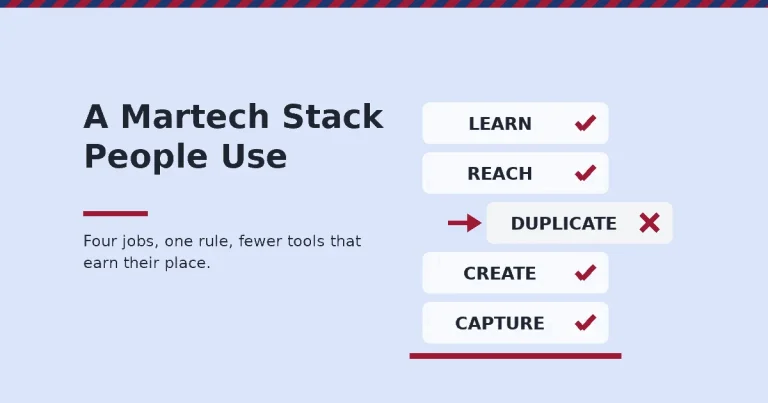
So what is digital marketing, treated properly? This guide treats it as a system, not a checklist. It covers the mechanism behind every channel, what makes each one different, how to lead with each one, what to measure, and the one decision that saves the most wasted effort.
A few ground rules first. The reach and platform figures below come from named, outside sources, each with its own scope. DataReportal’s numbers are a worldwide snapshot built from modelling, not a census. So treat them as an informed estimate, not an exact count.
Ahrefs and W3Techs pull from their own crawl and scan databases, which skew toward indexed or more common sites. None of these figures are permanent rankings. They are snapshots that shift every year.
The gap is not only about data freshness. Content Marketing Institute’s own research with MarketingProfs found that roughly 95% of B2B marketers now use some form of AI in their work. That figure signals how fast the production side of digital marketing has changed, even where the definition people quote has not.
So what is digital marketing missing in most explainers? Who owns each stage, and what to measure once live. Both follow below.
How Digital Marketing Actually Works
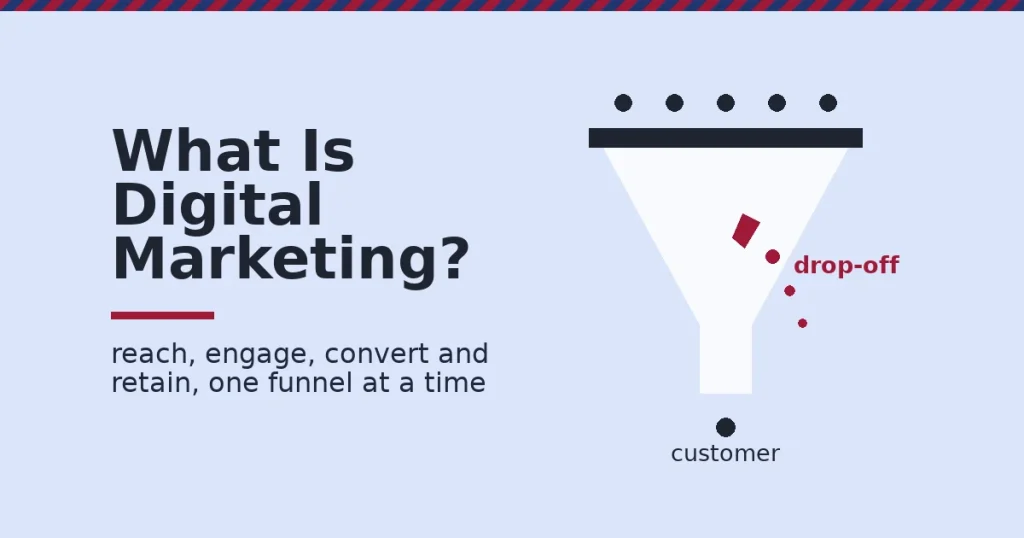
Digital marketing moves a stranger through four stages: reach, engage, convert and retain. Each stage draws on a different mix of paid, owned and earned media. A channel that is strong at one stage is often weak at another.
Paid media is space a brand buys, such as search ads or social ads. Owned media is anything the brand controls outright, like its website or email list. Earned media is attention nobody paid for, such as a share, a review or a backlink.
Reach gets a brand in front of people who do not know it exists yet. Paid ads, SEO and social reach all compete here. This stage only works when the audience is specific enough to act.
Engage is what happens once someone notices the brand. Do they click, read, watch, or scroll past? Content quality, page speed and headline clarity decide this stage. Weak engagement wastes the money spent on reach.
Convert turns attention into an action, such as a sale, a sign-up or a form fill. Here, the offer and the checkout or form experience matter more than the channel that brought the visitor in.
Retain keeps a customer coming back without a fresh acquisition cost each time. Email, loyalty programmes and remarketing operate here. This stage is usually the cheapest to improve, because the audience already trusts the brand.
What Is Digital Marketing’s Core Mechanism, in One Sentence?
What is digital marketing’s core mechanism? It matches a specific audience’s intent, at the stage they are in, with content or an offer built for that exact moment. Then it measures whether that match produced the next action.
That sentence explains why generic content underperforms. A post written for everyone usually matches no one’s specific intent. So it reaches people but fails to engage or convert them.
A Worked Example of the Four Stages
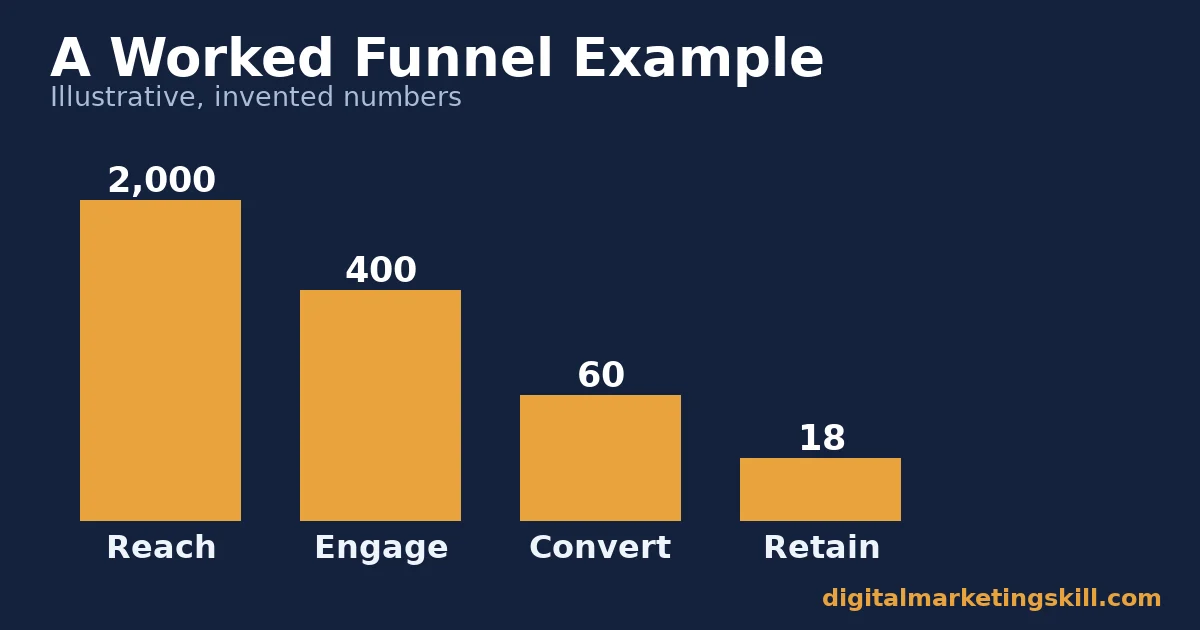
Here is an illustrative example, with invented numbers, showing how the four stages connect. A local bakery runs a search ad for “birthday cake delivery” and reaches 2,000 searchers in a month. Of those, 400 click through and engage with the menu page.
That gives a 20% engagement rate. Then 60 of those 400 place an order, a 15% conversion rate once someone lands on the page. Eighteen of those 60 customers order again within three months, with no new ad spend, because a follow-up email reminded them.
Each number in that chain belongs to a different stage, and a weak link anywhere caps the whole result. If the ad reached 2,000 people but only 40 clicked, the problem would sit in engagement, not reach. Diagnosing the right stage before spending more is what separates a fixed funnel from a funnel that just gets more expensive to run.
What Differs By Channel: How Each One Is Built
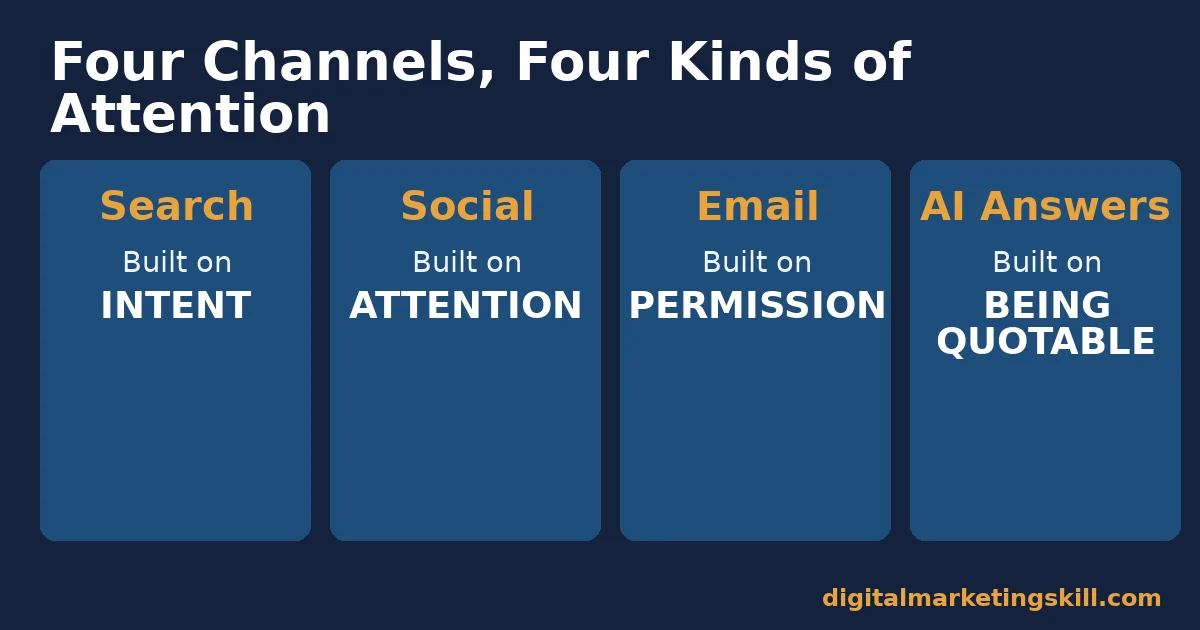
Every major digital marketing channel is built around a different kind of attention. Treating them all the same way, with the same message and timing, wastes the strength each one actually has.
Search: Built to Capture Intent
Search exists because people type a specific question into a box and expect a direct answer. Google’s own guidance on helpful, people-first content asks whether a reader will “leave feeling they’ve learned enough” to reach their goal. That is the clearest definition of what search content must do.
Search is also unforgiving at scale. In its search traffic study of about 14 billion pages, Ahrefs found 96.55% get zero Google traffic. The usual causes: a topic nobody searches for, no backlinks, or an answer that misses the question being asked. A page can be well written and still fail if it targets the wrong intent.
Social: Built on Attention, Not Intent
Social platforms carry no stated intent. A scrolling user did not ask a question. DataReportal’s global digital overview counts 5.66 billion social media user identities worldwide, equal to 68.7% of the global population. The audience is enormous, but mostly not looking for any brand in particular.
Because attention is the scarce resource here, social content has to earn the pause in the first second. That usually means a strong visual or a sharp claim, before it can deliver any message at all.
Email: Built on Permission
Email works because someone agreed to hear from a brand again. That makes it the only major channel with a direct, owned line to the audience. The permission is valuable, but it is not a guarantee of attention: Mailchimp’s email benchmarks put the average click rate across all industries at just 2.62%.
AI Answer Engines: Built on Being Quotable
AI chat and search tools now summarise the web instead of just linking to a list of pages. So a brand’s content has to be clear enough for a model to lift and cite it accurately. HubSpot’s marketing statistics show that about 94% of marketers plan to use AI in content creation.
AI has moved from a side tool to a core part of the content process, on both the writing and the discovery side. That is also why this channel answers a slightly different question than search does. It is not “what is digital marketing content ranking for,” but “what is digital marketing content being quoted for.”
Ahrefs’ separate AI content study covered roughly 1 million pages across 100,000 search results. It found 9% of top-three pages were at least 80% AI-generated, with no clear penalty tied to AI use itself. Quality, not authorship method, explained which pages underperformed.
How to Lead With Each Channel
Once the mechanism behind a channel is clear, the fix is usually a change in what comes first, not a bigger budget. The sections below mirror the channels above.
Search: Lead With a Direct, Structured Answer
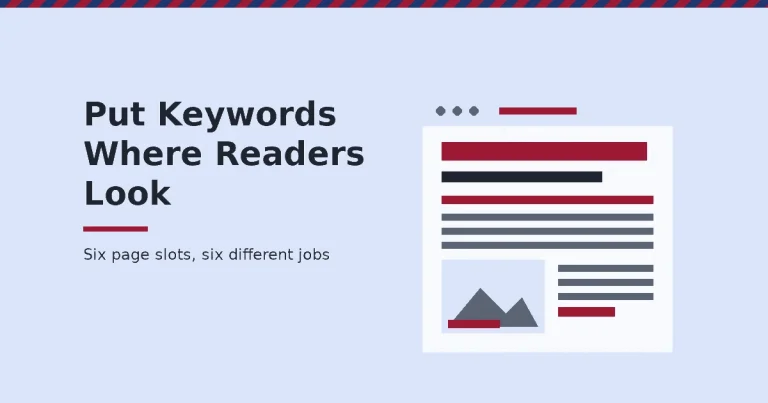
Put the plain answer to the search question in the first two or three sentences. Then use subheadings built from the exact words searchers type. Our guide to search engine optimisation covers structure, titles and internal linking in more depth.
Social: Lead With the Native Format
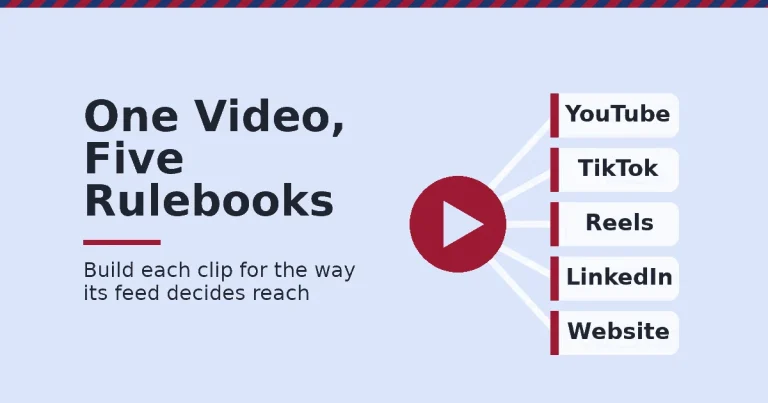
Match the platform’s own format instead of reusing the same asset everywhere. A static image performs differently from a short vertical video, even with the same message. Decide the hook before the message. The hook is the only part guaranteed to be seen.
Email: Lead With Segmentation, Not Volume
Send fewer, better-targeted emails instead of one message to an entire list. A send built around what someone already bought or clicked usually beats a broadcast, because it matches the stage that reader is actually in.
AI Answer Engines: Lead With Checkable, Self-Contained Facts
Write each key claim as a sentence that names its subject, states the fact, and names the source, on its own. Do not depend on “it” or “this” from an earlier paragraph. That structure helps a reader and an AI summariser extract the same accurate point. Our guide to content marketing explains how to plan content that both search and AI systems reward.
What Is Digital Marketing Worth Measuring?
Every channel above produces its own vanity numbers: impressions, likes, opens. What is digital marketing actually worth measuring instead? The metric closest to revenue for that channel’s stage in the funnel. Answering what is digital marketing’s real performance means picking one metric per stage and ignoring the rest.
Six Metrics That Show Real Performance
- Organic traffic share. The percentage of total site visits from unpaid search, tracked in Google Search Console. A rising share shows SEO work is compounding, not just riding alongside paid spend.
- Conversion rate. The share of visitors who complete a defined action, from a form fill to a purchase. Compare it by channel, since intent differs by channel too.
- Cost per acquisition. Total spend on a channel, divided by the customers it produced. This number decides whether to scale a channel or cut it.
- Email click rate. The share of recipients who click through to the site. Treat Mailchimp’s 2.62% average as a rough benchmark only, and compare each send with your own past sends.
- Engaged sessions. In Google Analytics traffic reporting, a session counts as engaged when it lasts over 10 seconds, includes a key event, or has two or more page views.
- Returning visitor rate. The share of visits from people who have been to the site before. A rising rate shows retention work, like email and loyalty content, is paying off.
How to Read These Metrics Together
Read the metrics in funnel order. Low organic traffic share points to a reach problem. A low conversion rate on healthy traffic points to an offer or page problem. A high cost per acquisition points to either, depending on which channel carries it.
Track one change at a time. Compare four weeks before a change with four weeks after. That turns a guess about what is working into evidence a team can act on.
The One Decision Rule: Fix the Stage With the Biggest Leak First
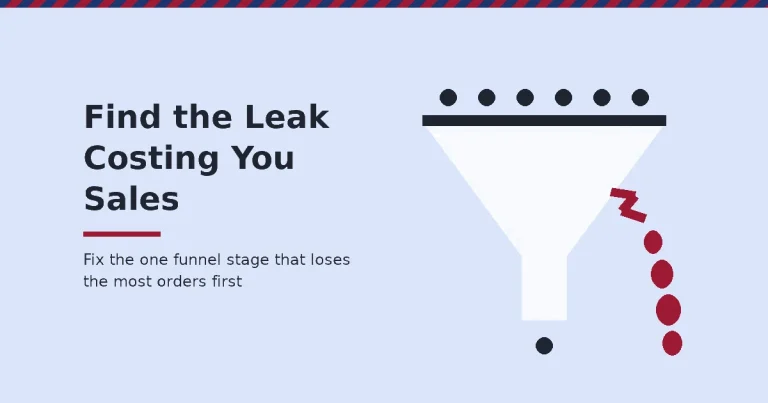
What is digital marketing success built on, above everything else? One rule, and it is this one. Map the funnel stages. Find the stage with the steepest drop-off. Put the next budget and hours there, before adding a new channel.
Here is an illustrative example, with invented numbers. A small services business gets 10,000 monthly site visits, but converts only 0.4% into leads. Its email list, once someone subscribes, converts at 4%. Instead of buying more traffic, the business redesigns its lead form and adds one clear offer. Conversion rises to 1.1%, nearly three times more leads from the same traffic.
The lesson goes beyond this one example. More reach cannot fix a leak further down the funnel. Fixing the leak multiplies the value of every visitor already arriving.
Common Mistakes That Waste a Digital Marketing Budget
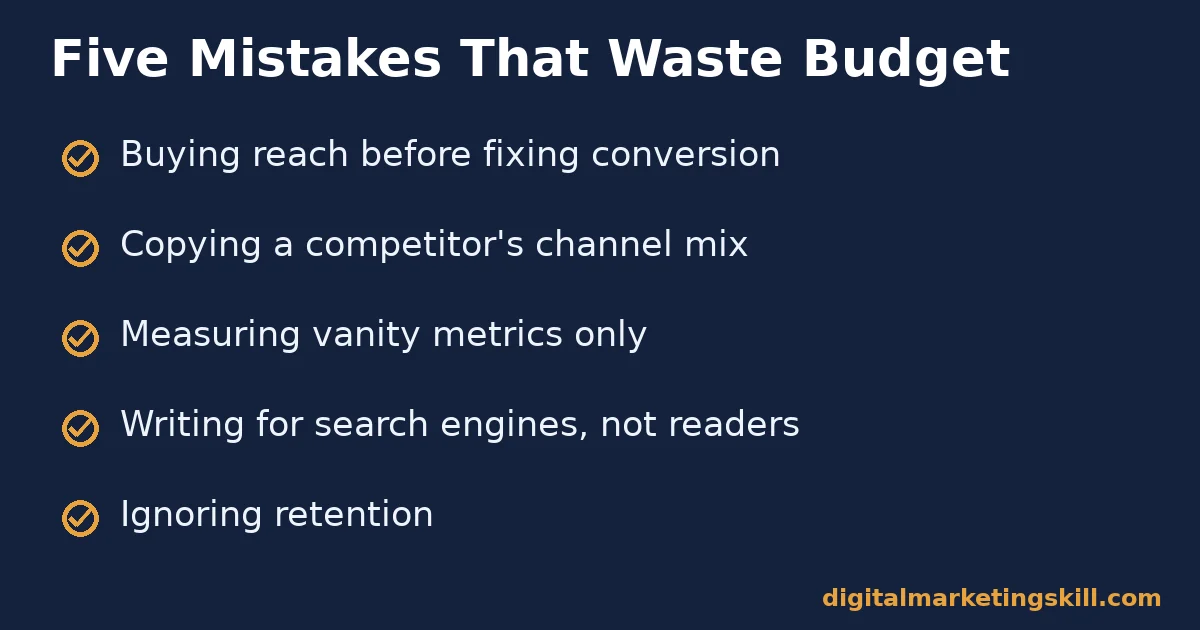
Understanding what is digital marketing’s mechanism does not prevent every mistake. These five show up most often, across almost every industry and budget size.
- Buying reach before fixing conversion. More traffic to a weak page just multiplies a small conversion rate. Fix the page first.
- Copying a competitor’s channel mix. A channel that works for one brand may not fit another audience’s habits. Test, do not assume.
- Measuring vanity metrics only. Likes and impressions do not pay bills. Tie every report back to conversion rate or cost per acquisition.
- Writing for search engines, not readers. Keyword stuffing fails both readers and modern search systems, which now reward clear, helpful answers.
- Ignoring retention. Chasing new customers while ignoring existing ones wastes the cheapest growth channel a brand already has.
A Real Case: How Upworthy Measured Attention Instead of Clicks
Upworthy, the media publisher, built its own “Attention Minutes” metric. Clicks and page views did not show whether people actually read or watched what they clicked on. According to Upworthy’s engineering blog, a page counted as holding a reader’s attention when it had focus and the user interacted within a 5-second window, or when a video was actively playing.
The case fits the measurement section above. A click only proves a headline worked, not that the content delivered. Treat Upworthy’s approach as a model for measuring attention, not proof of one specific result. The write-up describes the method, not a published outcome.
The broader point carries across every channel in this guide. Whether the question is what is digital marketing’s reach, its engagement, or its AI visibility, the right metric is always the one that proves a real person, or a real system, actually used what you made.
Frequently Asked Questions About Digital Marketing
What is digital marketing in simple terms, in one line?
Digital marketing is promoting a product, service or brand through online channels, such as search, social media, email and AI answer engines. It uses paid, owned and earned media to reach a specific audience and measure the result.
What are the main types of digital marketing?
The main types are search engine optimisation, paid search and social ads, social media marketing, email marketing and content marketing. A newer type is also growing fast: making content clear enough for AI answer engines to find and quote it.
How is digital marketing different from traditional marketing?
Digital marketing runs on channels you can measure directly, such as clicks, conversions and engaged sessions. Traditional marketing, like television or print, relies mostly on reach estimates rather than direct action data.
Do I need to use every digital marketing channel?
No. Using the one channel where your specific audience already spends attention, and measuring it properly, beats spreading a limited budget across every channel at once.
Is SEO still part of digital marketing if AI answers questions directly?
Yes. Ahrefs found no clear penalty for AI-written pages, and AI answer engines still draw on indexed web content. The same structure and clarity that helps search rankings also helps AI systems quote a page accurately.
What skills does digital marketing require?
Core skills include basic analytics and writing for a specific reader. Add to that an understanding of how each channel’s audience behaves, plus enough comfort with AI tools to use them well. Accuracy and a clear point of view still matter most.
How much does digital marketing cost to start?
Cost varies by channel. Content and SEO can start with mostly time rather than money. Paid search and social ads need an ongoing budget, sized to the cost per acquisition a business can afford.
What is the biggest misconception about digital marketing?
That more channels always mean more growth. A narrow focus on one channel, measured well and fixed at its weakest stage, usually outperforms a scattered approach across many.
How long does it take to see results from digital marketing?
It depends on the channel. Paid search and social ads can produce traffic within days, but results still depend on a working offer and page. SEO and content usually take several months to build momentum, because search engines and AI systems both need time to index and trust new pages.
Can a small business compete with larger brands in digital marketing?
Yes, because most channels reward relevance and clarity, not budget size alone. A small business that answers one audience’s question better than anyone else often outranks a larger, more generic competitor on that specific topic.
What Is Digital Marketing’s Next Step for You
What is digital marketing worth to a business that does it well? It is the difference between a brand strangers can find, trust and buy from, and one that depends entirely on word of mouth.
Map Your Funnel This Week
Start by mapping your own funnel. Then use our guide to the benefits of digital marketing to see where the fastest wins usually sit. Our walkthrough on creating a digital marketing plan turns that funnel map into a schedule. You can revisit this question any time from the Digital Marketing Skill Institute homepage, where every channel guide links back to the same funnel model.
If you want structured, guided practice instead of piecing it together alone, Digital Marketing Skill Institute teaches these channels hands-on. The Master Diploma in Digital & AI Marketing covers four AI-powered tracks, including AI-Powered Google Specialist and AI-Powered Social Media Management and Advertising, across ten courses in total, with a Full Stack option for completing all four.
The diploma includes unlimited 1-on-1 coaching and mentoring, plus a U.S. Project Internship with a verified U.S. Work Reference Letter. It is dual US and UK accredited, and recognised in more than 100 countries.
The programme is 100% online, so you can study and apply these channels from anywhere in your country. Browse more guides on the Digital Marketing Skill Institute blog, or when you are ready, apply for the Master Diploma and start building a measurable digital marketing skill set wherever you live.
Every figure in this guide was checked against its original source before publication. Figures marked as illustrative are invented examples, not real results.